
Last updated November 22, 2026
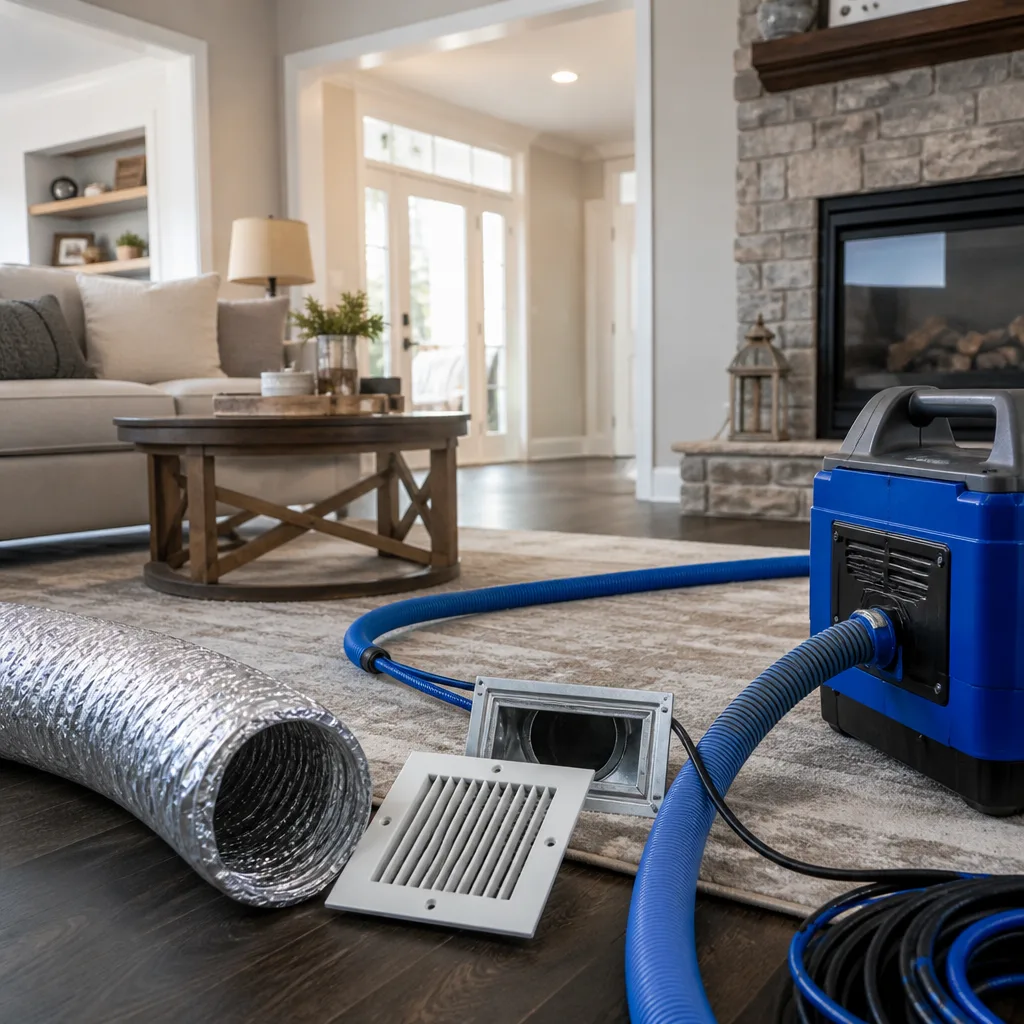 Whole-home duct cleaning
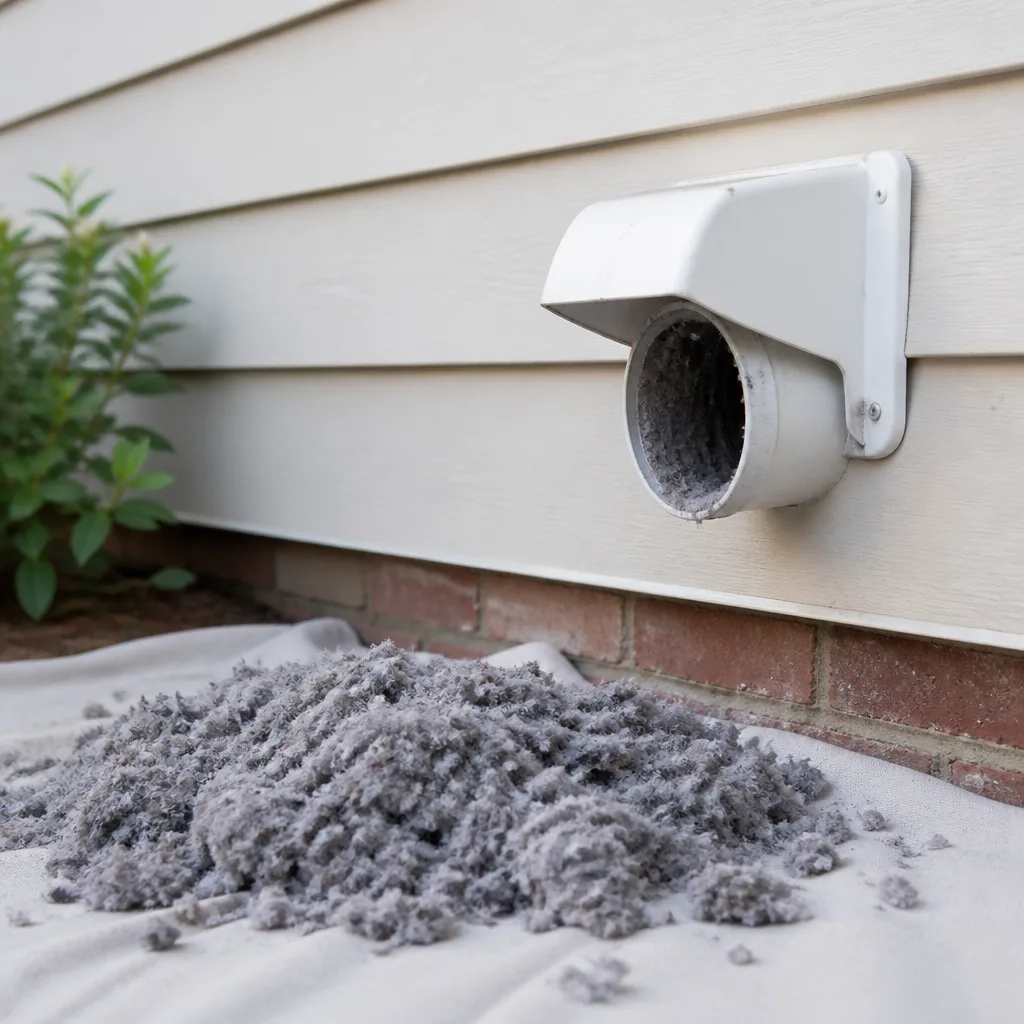 Dryer vent cleaning
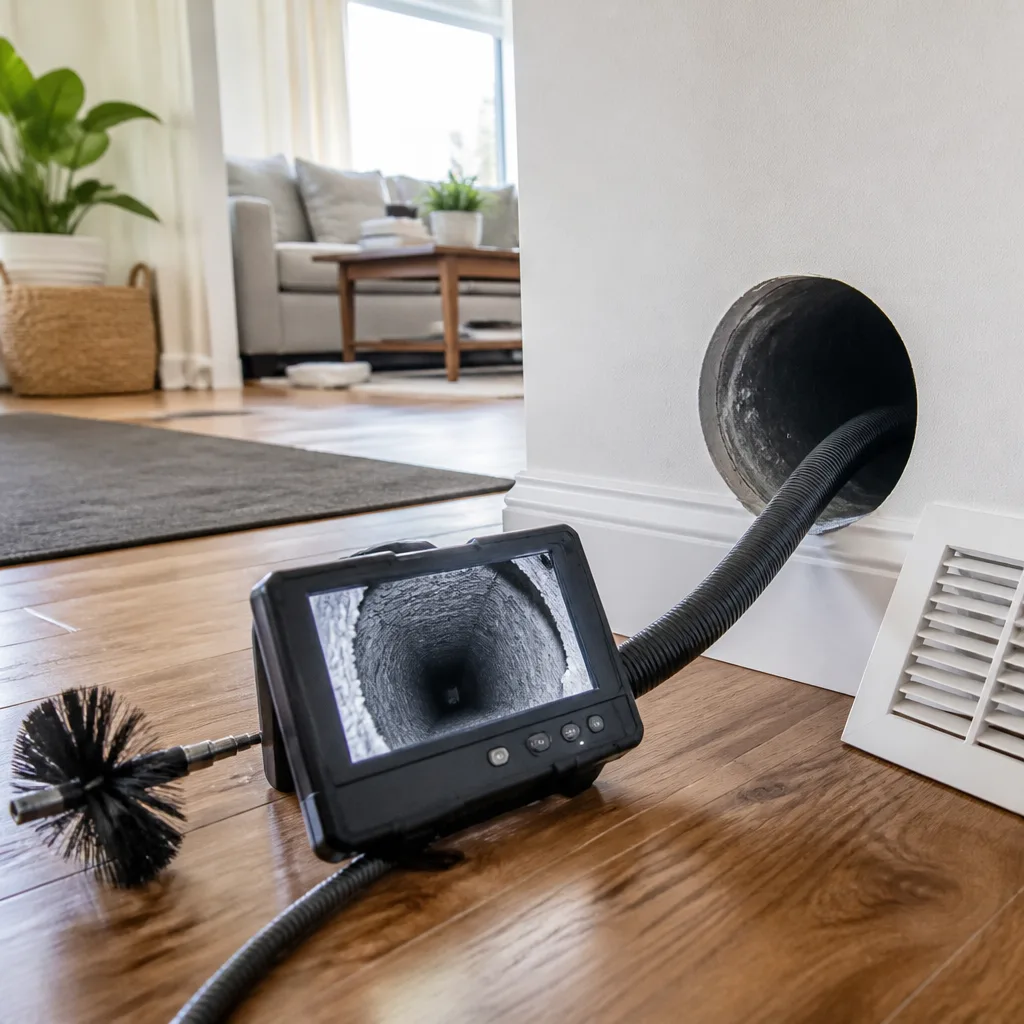 Camera inspection
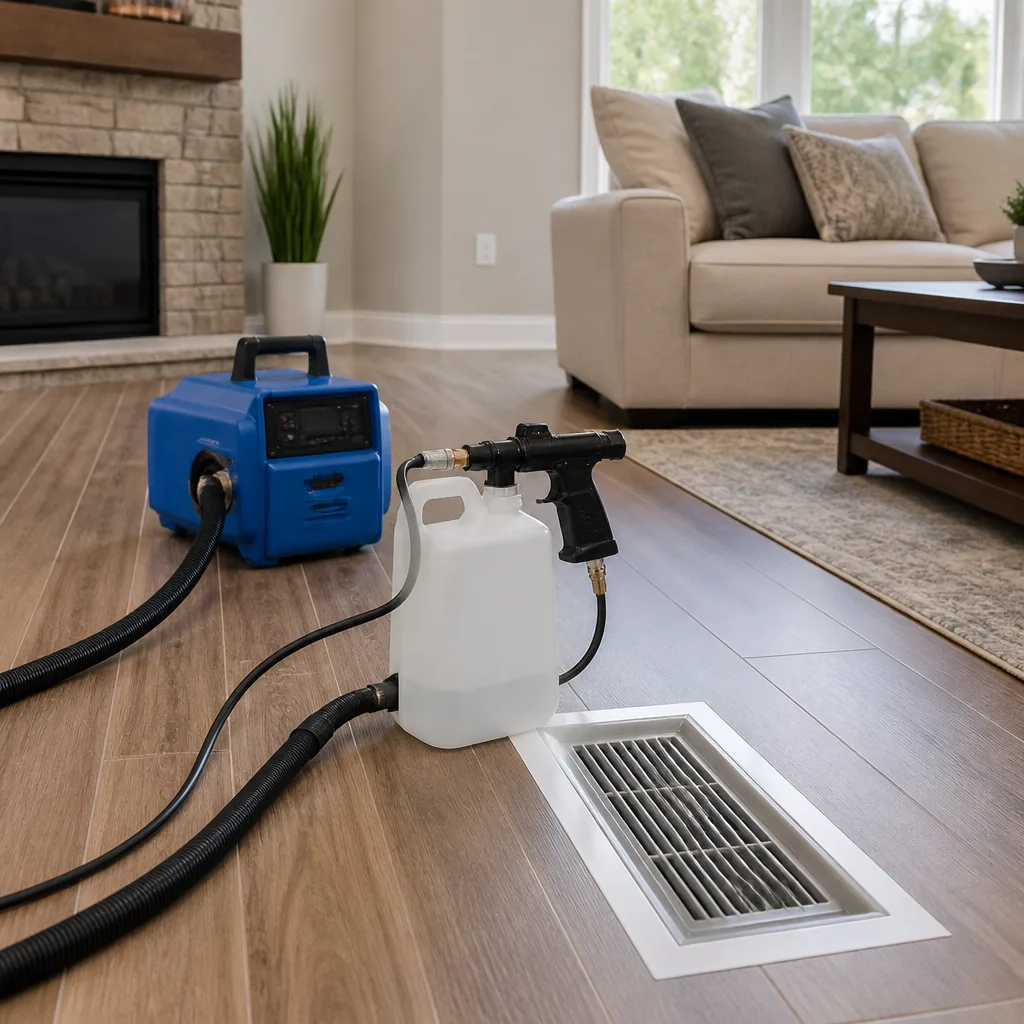 Sanitizing & deodorizing
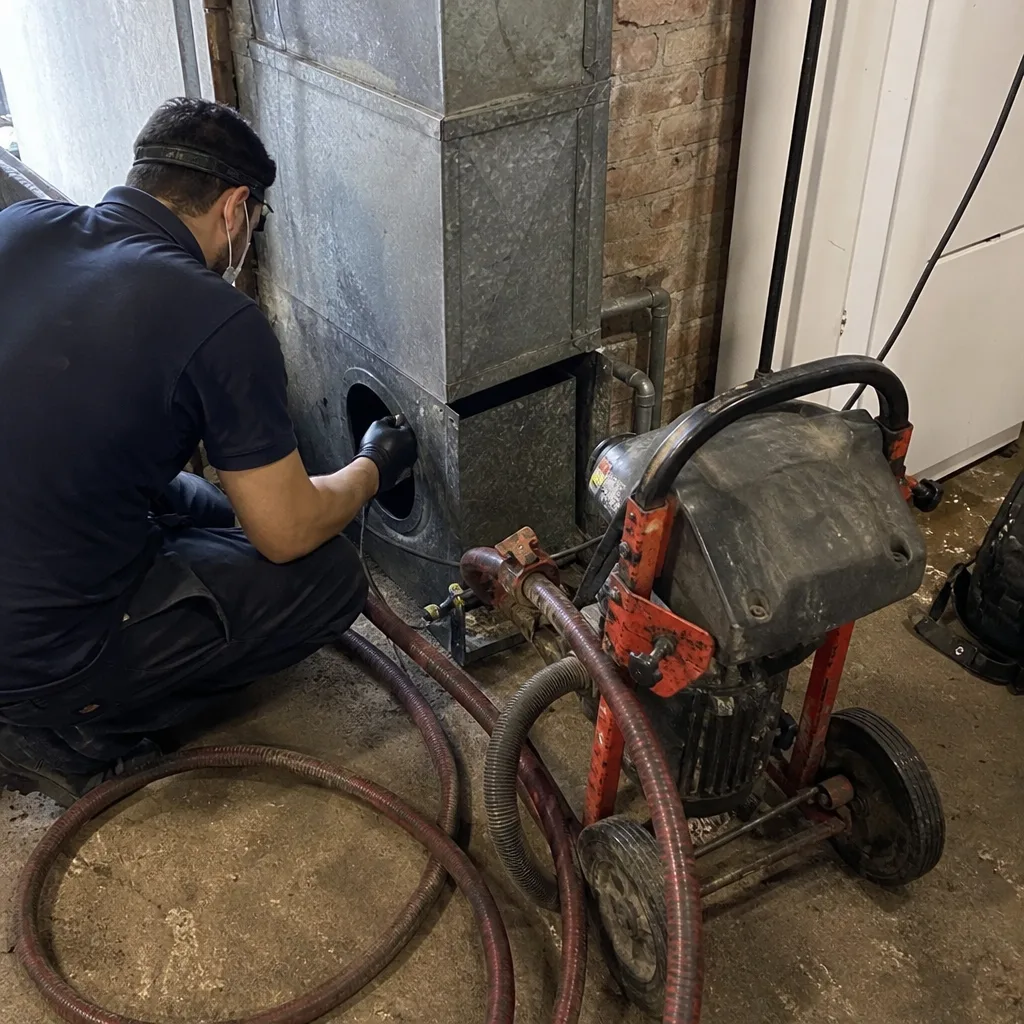
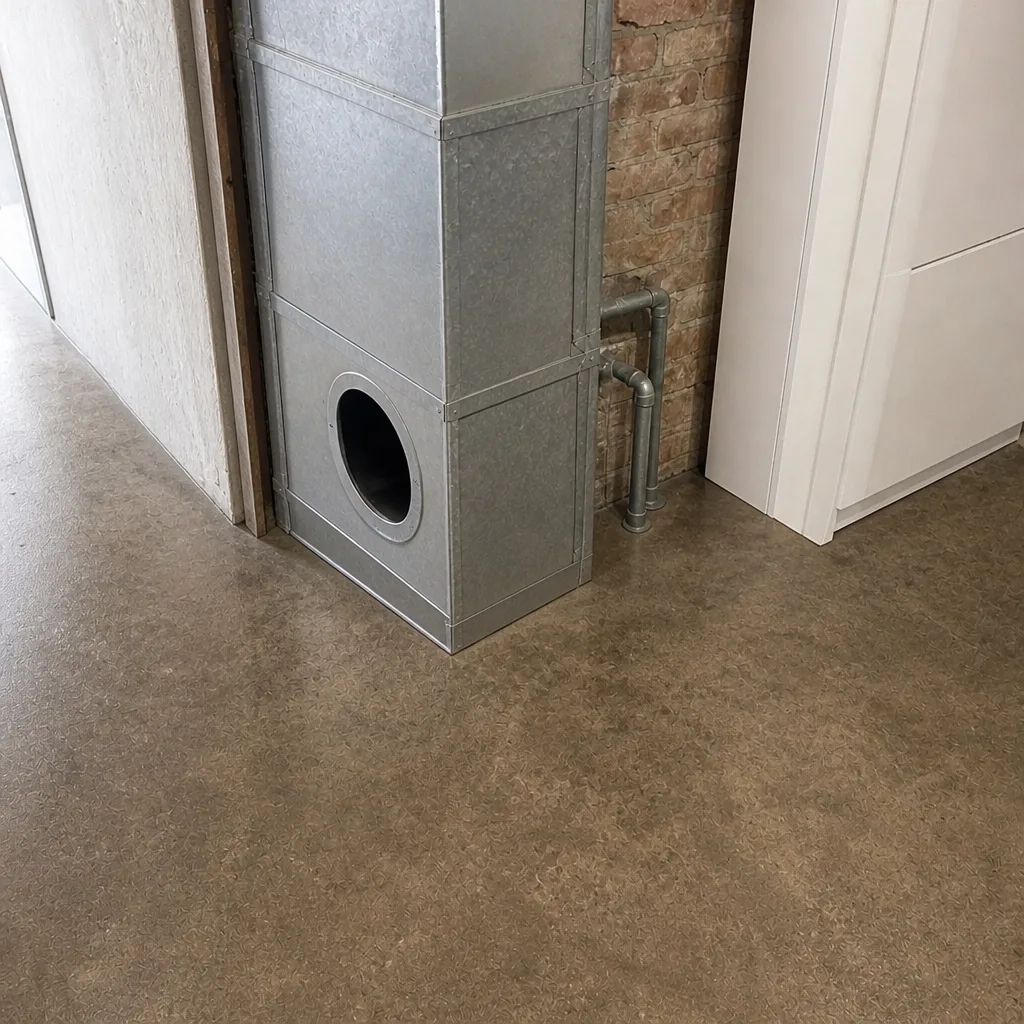
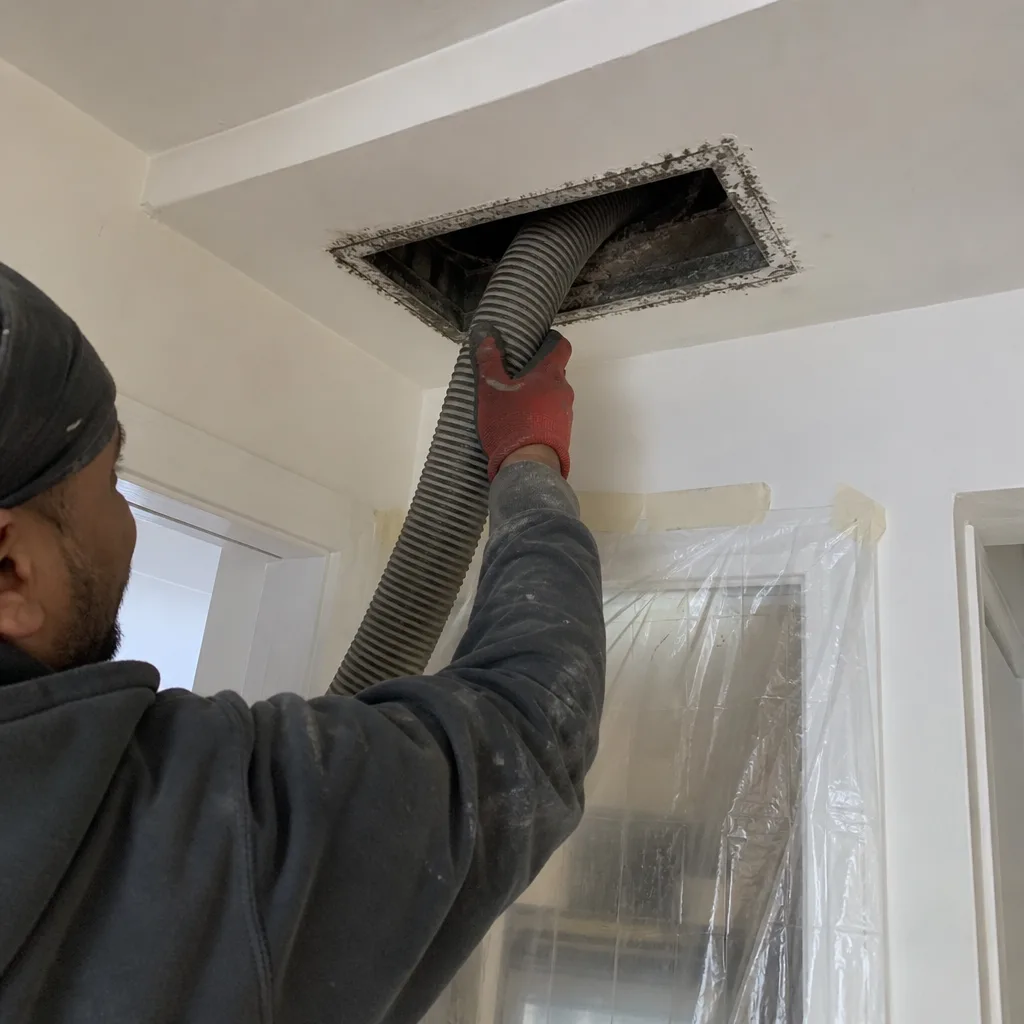
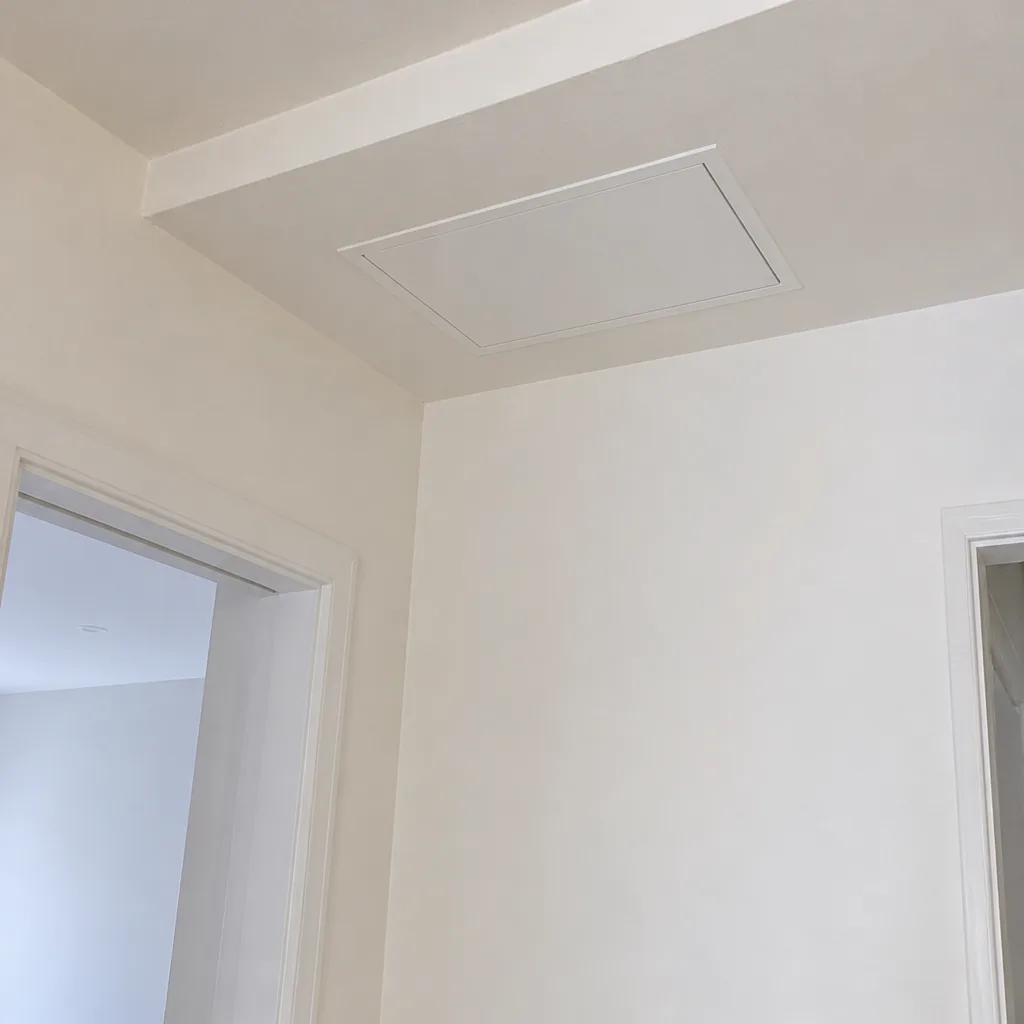
Whole-system duct and dryer vent check with before-and-after photos - you see exactly what came out of your vents
That "$99 whole-house special" is a bait ad - the real number appears once they are in your hallway, or the "clean" is a shop-vac at the register. We photograph the inside of your ducts before and after instead.
Air Duct Cleaning Permits, Codes & Inspections in Crown Heights, NY: What You Need to Know
Most Crown Heights homeowners file duct cleaning under “routine maintenance” and assume nothing about it touches a permit desk. For cleaning alone, that’s true. The trouble starts the moment someone offers to cut out a section of duct, reroute a run, or seal a joint that’s failing behind a wall. In New York City, that can cross a line from maintenance into alteration, and alteration is where permits, licensed contractors, and paperwork enter the picture. What follows explains where that line sits, how NYC Mechanical Code Chapter 6 treats residential ductwork, what “repair” and “sealing” actually mean in regulatory terms, and how to protect yourself before anyone touches your system.
Quick Answer
Routine air duct cleaning in Crown Heights generally does not require a permit. Duct work that alters the system, such as removing, replacing, rerouting, or adding duct sections, typically does require a permit from the NYC Department of Buildings and must be performed by a licensed contractor, with the work conforming to NYC Mechanical Code Chapter 6. Any contractor performing home improvement or repair work in the city should hold a NYC Home Improvement Contractor (HIC) license, and you should request and keep documentation of the work. HIC licensing is administered by the NYC Department of Consumer and Worker Protection. The local professionals we connect Crown Heights homeowners with are licensed and insured as their state requires.
Table of Contents
- Cleaning vs. Alteration: Where NYC Draws the Line
- NYC Mechanical Code Chapter 6 and Your Residential Ductwork
- What “Sealing” and “Repair” Mean in Regulatory Terms
- How to Verify a Contractor’s HIC License Before Repair Work
- Documentation to Request and Keep After the Work
- How Crown Heights Housing Stock Shapes Duct Work
- What a Building or Duct Inspection Actually Looks At
- Step-by-Step: A Compliant Duct Repair in Crown Heights
Cleaning vs. Alteration: Where NYC Draws the Line
The distinction that matters in Crown Heights is maintenance versus alteration. Cleaning is maintenance. Alteration changes the system. Those two categories carry completely different obligations under New York City rules, and the transition between them can happen inside a single service visit.
Mechanical cleaning, as it’s usually described, removes accumulated dust, debris, and biological growth from the interior of the duct system. Nobody cuts anything out. The ductwork stays exactly where it was, with the same dimensions, same routing, and same connections. No permit is involved because the system itself isn’t changing.
Alteration is different. If a contractor removes a length of duct and replaces it, adds a new branch run to serve an extension, changes the size or layout of a trunk line, or relocates return or supply connections, the system’s design is being modified. That’s where NYC DOB permit requirements and New York City Mechanical Code compliance typically apply.
Here’s the practical test you can apply before signing anything:
- Maintenance: brushing, vacuuming, HEPA capture, agitation, sanitizing spray, and reconnecting a duct that has slipped free from an existing fitting.
- Alteration: cutting in new duct, removing and replacing a section, rerouting, or changing duct dimensions or layout.
- The gray zone: sealing joints, transitions, and small penetrations. How this is treated depends on scope and method, which we cover below.
For Crown Heights residents, this becomes concrete fast. A prewar building near Eastern Parkway may have a duct run that’s been patched over and re-patched through several rounds of renovations. When someone opens up a ceiling and finds that run, they may be looking at work that has already crossed into unpermitted territory by the previous owner. Our defense as a local company is straightforward: cleaning gets done in one visit. Repair gets done only after we’ve established whether the work requires a permit, and permits are obtained before work starts, not after.
NYC Mechanical Code Chapter 6 and Your Residential Ductwork
The NYC Mechanical Code Chapter 6 (Duct Systems) governs how ducts are constructed, installed, and altered in commercial and residential buildings throughout the city. That includes Crown Heights, where most of the housing stock is older, but the code is the same code that applies in every New York City borough.
The chapter covers material specifications, how ducts are supported and joined, sealing requirements, clearances, and the installation standards that apply to system alterations. It also sets the expectation that work is performed in a manner that maintains the system’s designed performance, fire safety, and indoor air quality.
For a Crown Heights homeowner, the takeaway isn’t to memorize the code. It’s to understand three practical things:
- Your ductwork is part of a code-governed system. That matters when you sell, refinance, or file an insurance claim.
- Alterations must conform to the current code, not the code that existed when the building was built. In stock from the 1920s or 1930s, that can mean bringing a run up to current standard when it’s modified.
- Cleanup work should not compromise the system. Aggressive cleaning that dislodges flexible connections, tears interior insulation, or pushes ducts off their supports can turn a maintenance visit into a repair job.
That last point is why the equipment matters. Our systems come from professional lines like Rotobrush and Nikro, with HEPA-rated vacuum capture that pulls dislodged debris out of the system instead of redistributing it into the room. In older Crown Heights buildings, that difference shows up clearly: flexible connections and fiberglass-lined trunks that have been in place for decades typically don’t respond well to improvised tools.
If you’re scheduling routine cleaning and want a deeper look at the process, our guide to air duct cleaning walks through what a thorough cleaning involves. Structural repair is a separate conversation. The local professionals we connect Crown Heights readers with are licensed and insured as their state requires, and they’ll flag when a job needs to move from cleaning into a permit-track repair before any cutting happens.
The code also matters for how the system is cleaned. HEPA-rated capture and containment machinery, such as equipment from Abatement Technologies, are what let a technician clean a heavily contaminated system without cross-contaminating occupied living spaces. On a rainy, humid week in late spring or a furnace-blasted week in January, systems in Crown Heights homes are cycling a lot of air through whatever the ducts happen to be holding.
What “Sealing” and “Repair” Mean in Regulatory Terms
In casual conversation, “sealing a duct” and “repairing a duct” get used interchangeably. In regulatory terms, they can be very different things, and the distinction trips up homeowners more often than any other part of this topic.
Sealing in the colloquial sense often means closing up a small leak. A home improvement contractor applies mastic, foil tape, or a spray sealant to a joint that’s leaking air into a wall cavity or attic. In most cases, this is treated as a repair or maintenance activity, not an alteration.
Sealing in a code and permit sense means something else. If the work involves changing how the system is configured, cutting into ductwork to access the leak, or rebuilding a section, the work has crossed into alteration. That’s when permits and licensed contractors enter the picture. NYC Mechanical Code sealing requirements apply to new installation and to altered duct runs, so a Crown Heights contractor who’s reworking a run should be bringing that work up to the applicable sealing standard.
Repair is similarly two-faced. Repairing a disconnected flex duct that slipped off a collar is a reconnect. Repairing a collapsed or crushed trunk line that’s failed because of a structural issue in a ceiling void is replacement. Both get called “repair,” but only one of them typically requires a permit.
The practical question to ask any contractor before work starts is direct: “Is this cleaning, a repair, or an alteration? If it’s an alteration, who’s pulling the permit?”
In our experience, honest answers fall into three buckets:
- “It’s cleaning, no permit needed.” Fine if the scope matches.
- “It’s a repair or alteration and we’re pulling the permit.” Good, and the permit should be visible to you.
- “We don’t need a permit for that.” Worth getting a second opinion on before work starts.
The local professionals we connect with handle both cleaning and repair, and because we coordinate both, a Crown Heights job that turns out to need permit-track repair doesn’t have to wait for a separate contractor to come back. Duct repair and sealing are covered on the same visit when the scope allows. That matters most in older buildings where the “cleaning” visit is the only time someone ever sees the full length of the ductwork.
How to Verify a Contractor’s HIC License Before Repair Work
Before any duct repair work begins on a Crown Heights property, you should verify that the contractor holds an active NYC Home Improvement Contractor (HIC) license. The license is administered by the NYC Department of Consumer and Worker Protection (DCWP). This step is quick, it’s free, and it’s the single most effective protection against liability landing on you.
Here’s the sequence we recommend:
- Ask for the HIC license number in writing. A legitimate contractor provides it without hesitation, usually on the estimate.
- Verify the number directly with DCWP. The city’s online lookup will confirm whether the license is active, expired, or revoked.
- Confirm the name on the license matches the name on the estimate, invoice, and contract. A license under a different name than the entity doing the work is a red flag.
- Ask about insurance. Request a certificate of insurance showing general liability coverage, with limits and the insurer named.
- For any permit-track alteration, ask to see the permit before work starts. The permit should list the property address and the scope of work.
- Check for a written contract. For home improvement work above the DCWP threshold, a written contract is required by law and should spell out scope, price, and payment terms.
If a contractor can’t produce a license number, or gives you a license under a different name and a vague reason, that’s the moment to walk away. In our experience, the cost of a fully licensed repair is close to what an unlicensed contractor will eventually charge you once their liability has become your problem.
One more point specific to Crown Heights: many of the residential buildings here are multi-family, and some are coop or condo buildings with their own management requirements. If a repair involves shared ductwork or a ceiling void in a common area, the building’s management or board usually has its own requirements on top of the city’s, including insurance certificates and approved contractor lists. Ask before you schedule the work, not after.
Documentation to Request and Keep After the Work
The paperwork after a duct repair is what protects you years later, when the sale is happening or the insurance claim is being filed. Most homeowners never think about it, which is why so many repair records vanish the moment the technician drives off.
For any duct repair work done on your Crown Heights property, request and keep the following:
- The written estimate and final invoice, itemized by scope. Not “duct work – $X.” A line-by-line breakdown of what was cleaned, what was repaired, what materials were used, and what was sealed.
- The HIC license number of the contractor who performed the work, on the invoice.
- A copy of any permit, if one was pulled, plus the inspection sign-off if the DOB inspected the work.
- Before-and-after photos of the ductwork, especially any section that was cut, replaced, or sealed. Photos are the cheapest form of documentation you can keep, and they settle arguments years later.
- Material specifications for any duct, sealant, mastic, or air quality component installed.
- Any air quality or filtration components added during the visit, with model numbers. Honeywell and Aprilaire components, for instance, have filter and maintenance schedules worth logging.
- Warranty or workmanship terms in writing, whatever they are.
Store this in a folder, digital or physical, tied to the property. If you’re a renter, forward copies to your landlord. If you’re a coop owner, ask whether the building wants copies on file.
We make a point of providing before-and-after photos on every job, because the cleaning and repair work is invisible once it’s done. Air you can’t see is still air you breathe, and ductwork you can’t see is still ductwork the next owner’s inspector will want records on. If a contractor can’t produce photos of the work they performed on your system, that’s a reason to ask why.
How Crown Heights Housing Stock Shapes Duct Work
Crown Heights duct work is shaped by the buildings it sits in. Prewar apartment houses, brownstones and rowhouses, and post-war buildings all handle ductwork differently, and the regulations that apply don’t change, but the practical experience of getting the work done does.
In older brownstones and rowhouses, ductwork is often retrofit rather than original. A home built before central forced-air existed may have had ductwork added during a renovation in the 1970s or 1980s, run through ceiling voids, between joists, or along basement ceilings. That retrofit work is sometimes hidden, sometimes partially visible, and sometimes done without records. When a duct cleaner opens up the system for the first time, they may be looking at connections that need resealing or a run that’s crushed against a joist. Whether that becomes a permit-track repair depends on whether anything is being modified.
In apartment buildings, ductwork is often shared or tied to building-wide systems. A cleaning visit to one unit can turn up a leak into a neighboring unit or into a common hallway. That’s a case where the building’s management, not just the individual tenant, needs to be in the loop before work starts.
Then there’s the seasonality. Crown Heights winters are cold, and heating cycles are hard on duct joints, flexible connections, and older duct insulation. A Northeast winter is also a period when windows stay shut, which means whatever the ducts are holding circulates through occupied rooms for months. Clean it in the fall and the system spends the winter moving cleaner air. Clean it in mid-summer and the debris keeps cycling through the cooling season. Our experience running HVAC cleaning work in this neighborhood is that fall scheduling generally produces the most visible difference in air quality before heating season starts.
If you want a broader picture of what cleaning the full HVAC system involves beyond the ducts themselves, our page on HVAC cleaning covers the coil, blower, and component side of the job. That work pairs naturally with duct cleaning, and on older Crown Heights systems it often needs to happen together.
What a Building or Duct Inspection Actually Looks At
A duct inspection and a building inspection overlap, but they’re not the same thing. Knowing what each one looks at tells you when you need one, which one, and in what order.
A duct inspection, usually performed by an HVAC or air quality professional, looks at the interior and structural condition of the duct system. That includes:
- Duct interior condition: debris accumulation, biological growth, and moisture.
- Joint integrity: whether connections have slipped, separated, or begun leaking.
- Duct material condition: flexible duct crushed or torn, fiberglass liner deteriorated, sheet metal seams failing.
- Sealing: whether joints and penetrations that should be sealed are actually sealed.
- Airflow: whether the system is delivering expected volume to the rooms it serves.
A building inspection, especially one triggered by a real estate transaction or a DOB visit, looks at whether the structure, systems, and prior work comply with code and permit requirements. The inspector may check whether alterations to the ductwork were permitted, and unpermitted alteration can result in a violation that must be addressed before a sale closes.
Here’s the part most Crown Heights homeowners miss: a duct inspection report may reveal a repair need, and the repair itself may require a permit. Those are two separate steps, and the inspection does not replace the permit.
When an inspection turns up an issue, the practical sequence is:
- Get a written scope of the recommended work.
- Determine whether the scope is cleaning, repair, or alteration.
- If alteration, confirm the contractor will pull the permit and has an active HIC license.
- Schedule the work and keep all documentation.
- If the DOB inspects the completed work, keep the sign-off.
We’ve seen Crown Heights jobs where the inspection report triggered a repair that wasn’t in the original plan. That’s fine when the contractor is equipped for both. It’s a much worse situation when the cleaner is only equipped for cleaning and the homeowner has to go find a separate licensed contractor mid-project.
Step-by-Step: A Compliant Duct Repair in Crown Heights
Here’s the full sequence we recommend for any Crown Heights homeowner who thinks their ductwork might need more than a cleaning. It’s the same path we follow when a cleaning visit turns up a structural problem.
- Start with a written inspection report. Get a professional to document the duct system’s condition, with photos. Don’t skip this step and don’t let a cleaning visit substitute for it.
- Determine the category of work. Is this cleaning, repair, or alteration? Get it in writing.
- Verify the contractor’s HIC license and insurance. Ask for the license number and confirm it with DCWP. Request the certificate of insurance.
- Confirm permit responsibility. If the work is an alteration, the contractor should pull the permit before work starts, and you should see it.
- Get a written contract itemizing scope and price. No surprise additions after the work begins.
- Have the work performed and document it. Photos before and after. Material specifications for anything installed.
- Arrange any required inspection. If a DOB inspection applies to the permit, confirm it’s completed and the sign-off is filed.
- Keep the file. Estimate, contract, invoice, license number, permit, inspection, photos. This is your property’s duct history for the next owner.
The one step most people skip is number two. When a contractor says “the ducts need repair,” they’re describing a colloquial problem. What you need is a written determination of whether the work involves altering the system or restoring it. That single sentence determines whether a permit is involved.
Our own process is built around this. We clean with professional equipment, we inspect visually and photographically, and when the scope calls for repair or sealing, we handle it on the same visit rather than handing you off to another contractor. When the work crosses into permit territory, we say so before anything gets cut. We also offer dryer vent cleaning on the same visit, which is a code-governed system in its own right and worth scheduling at the same time.
Common Mistakes to Avoid
- Assuming all duct work is permit-free. Cleaning is. Alteration often isn’t. Confirm the category before signing anything, especially in older Crown Heights buildings where the scope of “repair” can expand once the ducts are opened.
- Hiring a cleaner for repair work. A duct cleaning company equipped only for cleaning shouldn’t be doing structural repair. Ask what equipment they have on the vehicle before they arrive, and be specific about whether they’re equipped for repair and sealing.
- Not verifying the HIC license. The number should be on the estimate and confirmable with DCWP. If it can’t be produced, don’t proceed.
- Letting a contractor absorb permit responsibility into a handshake. “We’ll handle it” is not the same as “we’re pulling the permit and here’s the application.” Confirm it in writing.
- Not keeping documentation. Unpermitted prior work can surface at a sale. If you’ve had any duct repair work done, keep the file complete and accessible.
- Confusing an inspection with a permit. They solve different problems. A duct inspection report does not satisfy a DOB permit requirement.
- Skipping the before-and-after photos. Photos of the work are the cheapest documentation you’ll have. If a contractor doesn’t produce them, ask. If they can’t, that’s a red flag.
When to Call a Professional
Call a professional when the ducts are visibly leaking at a joint, when the system is pressing debris into living spaces, or when a cleaning visit turns up a repair need you can’t categorize. Call before any cutting starts, and call before a sale or purchase if you don’t have records of prior work. In Crown Heights, where the buildings are old and the duct history often involves undocumented renovation work, that call is more valuable than the repair itself: a licensed professional will tell you what category of work you’re looking at and what permit obligations come with it. Air Duct Cleaning Crown Heights offers free estimates in Crown Heights. Call (833) 754-9186. We answer 24/7. Fast dispatch, 7am-7pm.
Frequently Asked Questions
Routine air duct cleaning generally does not require a permit in Crown Heights. Cleaning is maintenance: nothing in the system’s configuration changes. Duct repair or alteration typically does require a permit from the NYC Department of Buildings when it modifies the system. If you’re not sure which category your job falls into, ask the contractor to state it in writing before work starts. Call (833) 754-9186 for an exact quote. Estimates are free.
Air duct cleaning pricing in Crown Heights is set per system based on the number of runs and the system’s condition, not per vent. Our local professionals give one flat price per system, agreed before work starts. That structure is deliberate: a low quote that grows once the technician is on site is the industry’s oldest problem, and the answer is a written estimate that doesn’t change. Call (833) 754-9186 for an exact quote. Estimates are free.
Cheap duct cleaning quotes usually reflect one of three tradeoffs: consumer-grade equipment instead of professional machines like Rotobrush and Nikro, a scope that doesn’t include repair or sealing when the system needs it, or a low entry price that expands as the visit continues. Our professional line is equipment-backed, and pricing is flat per system, agreed before work starts. If a quote seems dramatically lower than others, ask what equipment they’ll use and whether the scope includes repair. Call (833) 754-9186 for an exact quote. Estimates are free.
You know because you can see it: before-and-after photos of your own ducts, an itemized invoice, and documentation of any repair work that was performed. Our local professionals provide photos of the actual work, not stock images. Anything less than that is a reason to ask questions. Call (833) 754-9186 for an exact quote. Estimates are free.
Any contractor performing home improvement or repair work on a Crown Heights property, including permitted duct alterations, should hold an active NYC HIC license. You can verify a license number directly with the NYC Department of Consumer and Worker Protection. For any permit-track alteration, confirm the license number and that the permit is being pulled before work begins. Call (833) 754-9186 for an exact quote. Estimates are free.
There’s no universal schedule. Systems with pets, systems in older buildings with visible dust, systems that have been through a renovation or a mold event, and systems feeding rooms where allergy symptoms show up usually warrant cleaning sooner than a system in a newer building with regular filter changes. A visual inspection tells you more than a calendar does. Call (833) 754-9186 for an exact quote. Estimates are free.
The building’s record is what it is, and what you can do is document the current condition, correct any open issues with a licensed contractor, and keep records going forward. A duct inspection report is a good starting point for that. Whether any prior work needs to be brought into compliance is a question for a licensed contractor and, if necessary, the DOB. Call (833) 754-9186 for an exact quote. Estimates are free.
The Bottom Line
Cleaning and alteration are two different jobs under NYC rules, and knowing which one you’re buying is the whole game. Cleaning generally needs no permit. Altering ductwork, including removing, replacing, rerouting, or adding runs, is where permits, NYC Mechanical Code Chapter 6, and licensed contractors come in. Verify any contractor’s HIC license before repair work begins. Keep the documentation after the work is done. In Crown Heights, where older buildings often hide undocumented renovation history, that discipline is worth more than the repair itself. One flat price per system, before-and-after photos, and a written estimate that doesn’t change: that’s the standard worth holding any contractor to.
Call (833) 754-9186 for a free estimate. We answer 24/7. Fast dispatch, 7am-7pm.
For the full picture of what we do in this neighborhood, start with Air Duct Cleaning Crown Heights.
Written by the team at Air Duct Cleaning Crown Heights.
Styles & brands we work with
- Whole-home duct cleaning
- Dryer vent cleaning
- Camera inspection
- Sanitizing & deodorizing
See the difference
 Before
 After
 Before
 After
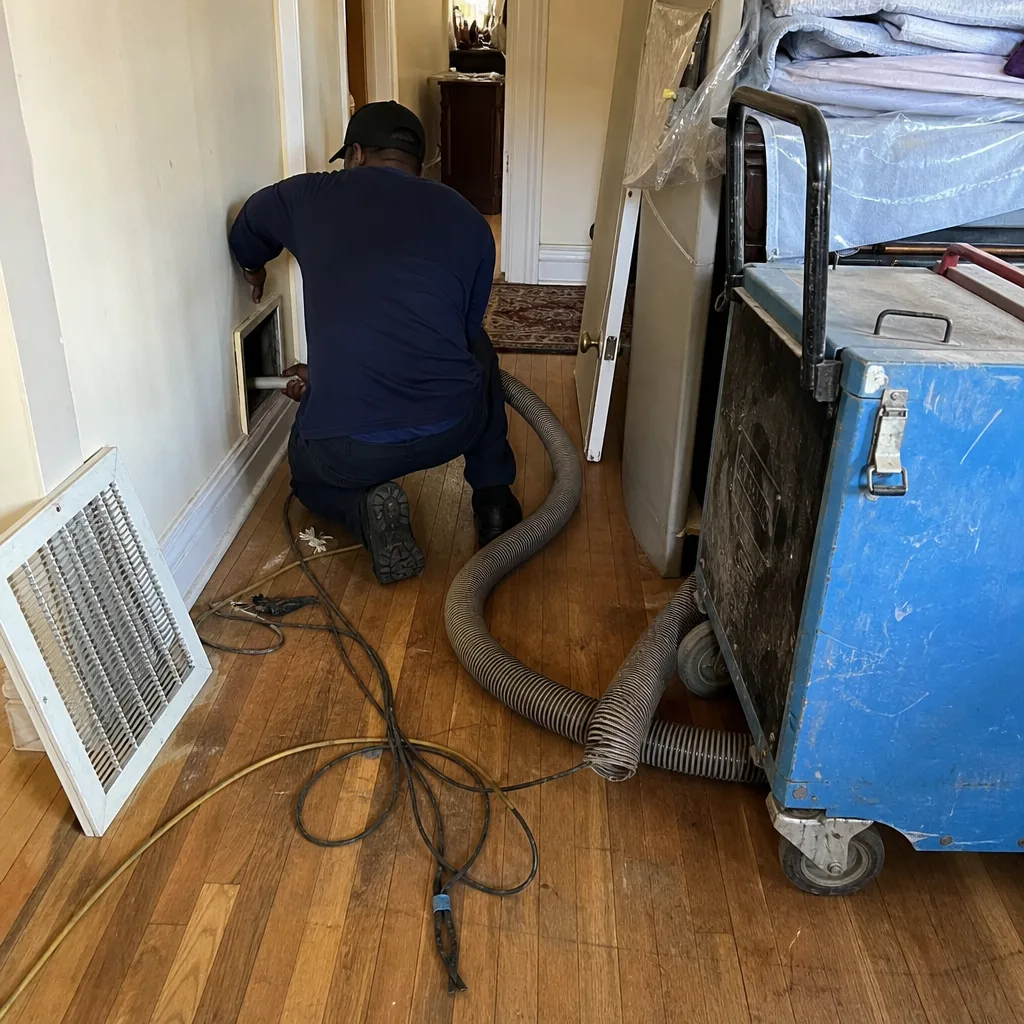 Before
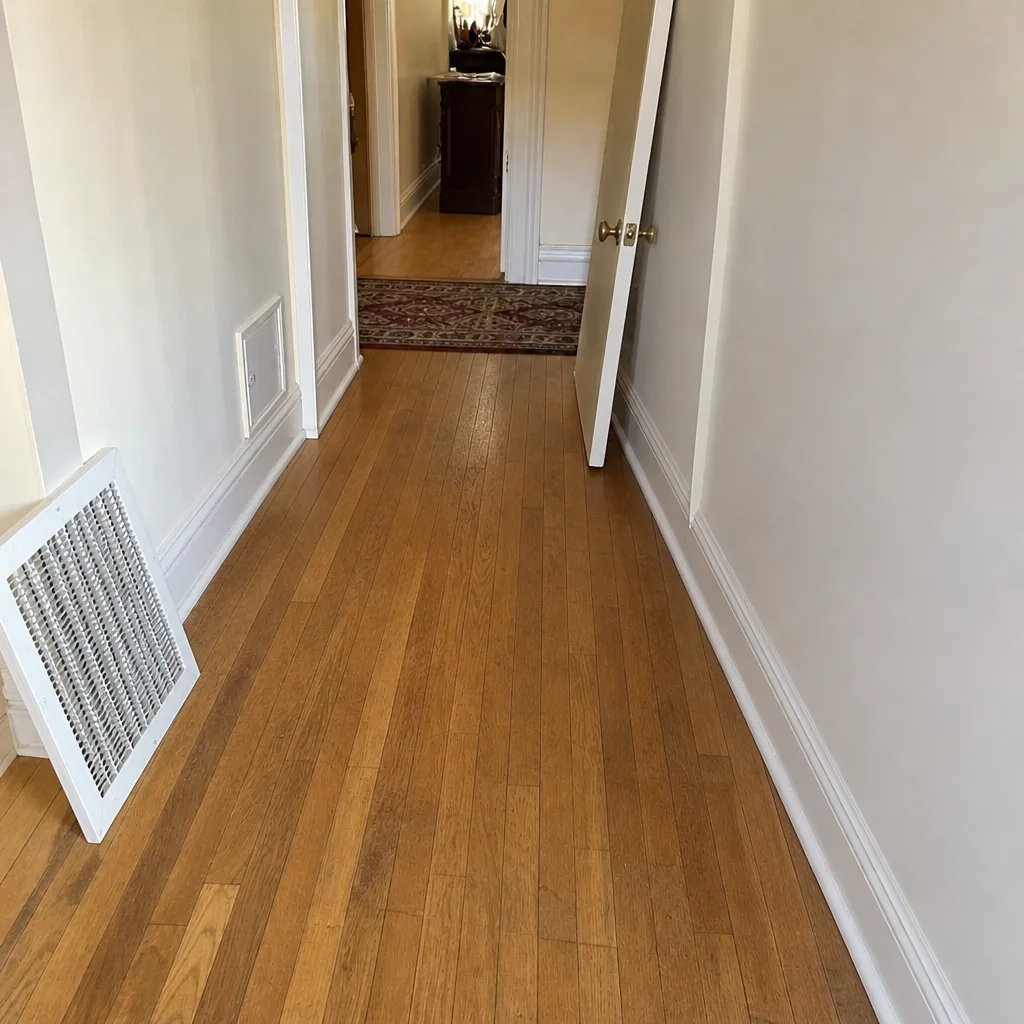 After