
Last updated November 22, 2026
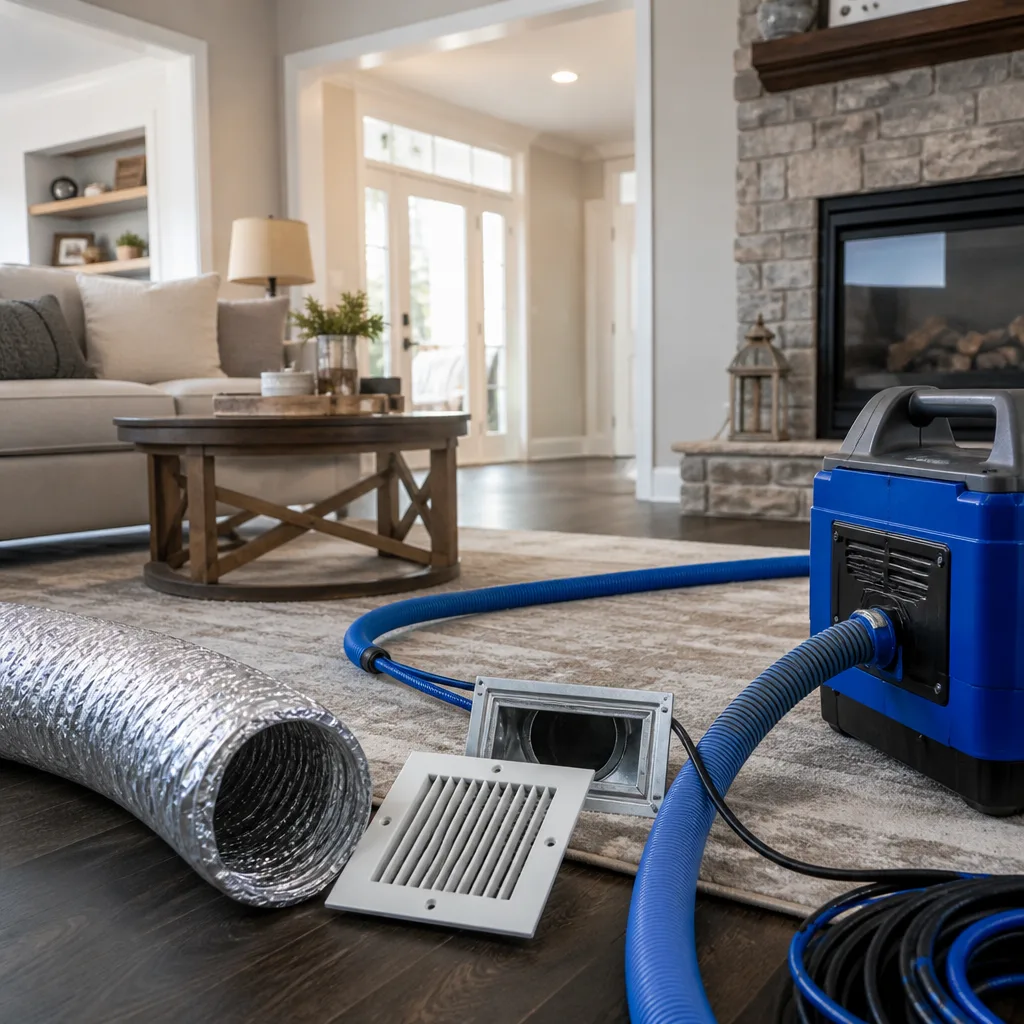 Whole-home duct cleaning
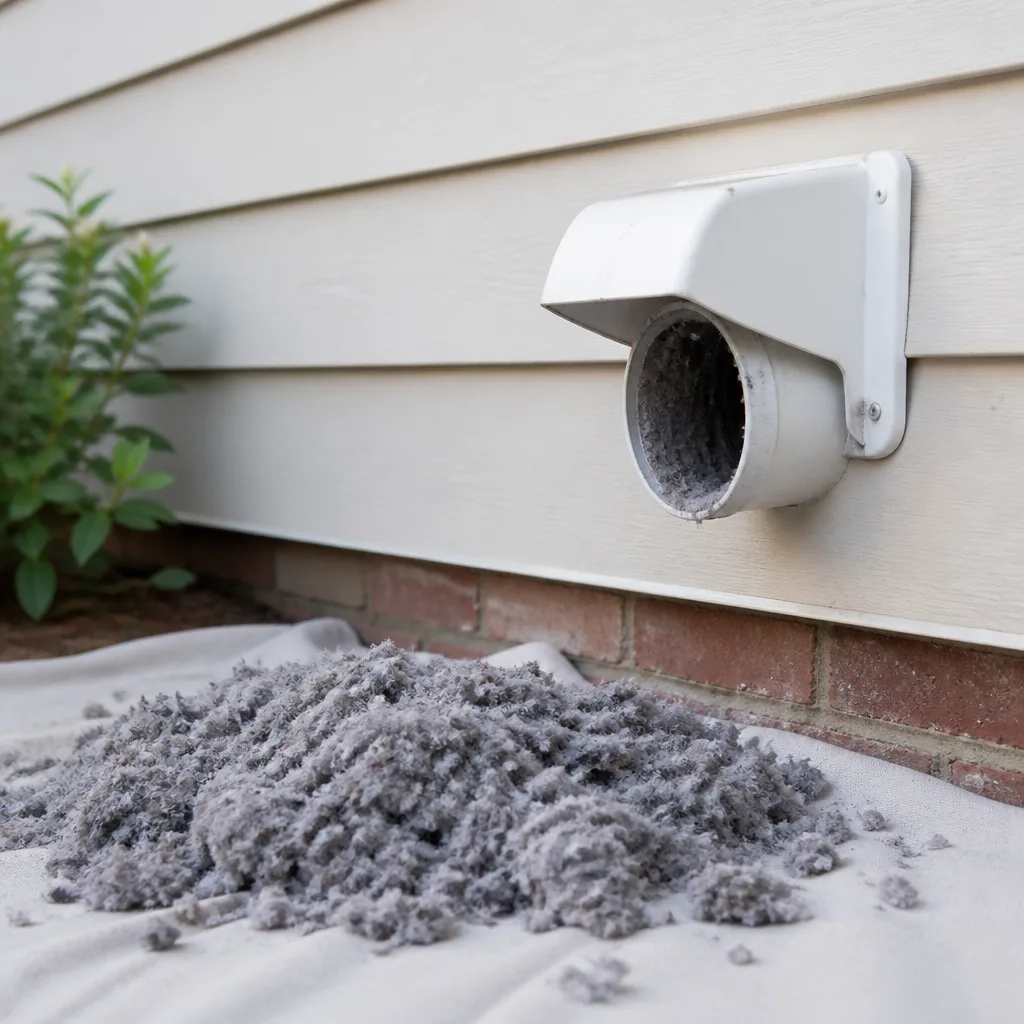 Dryer vent cleaning
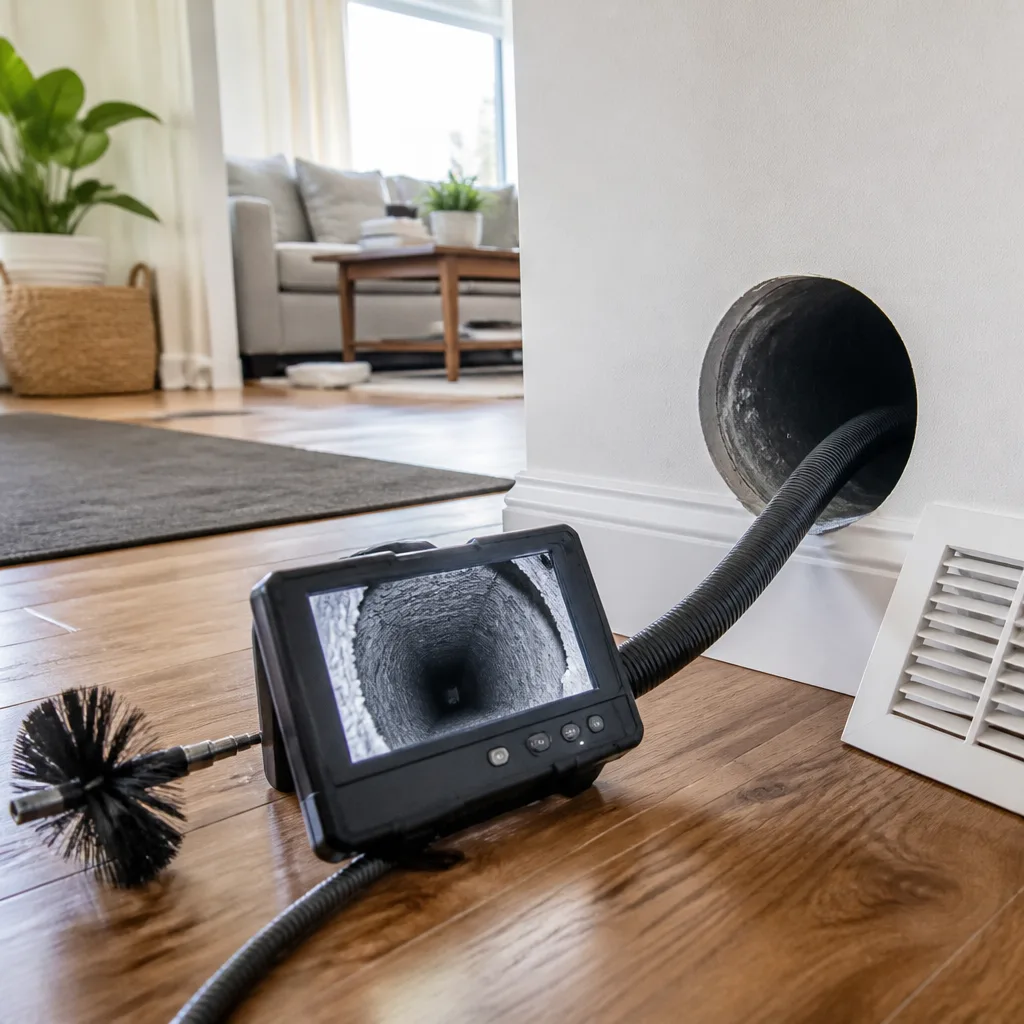 Camera inspection
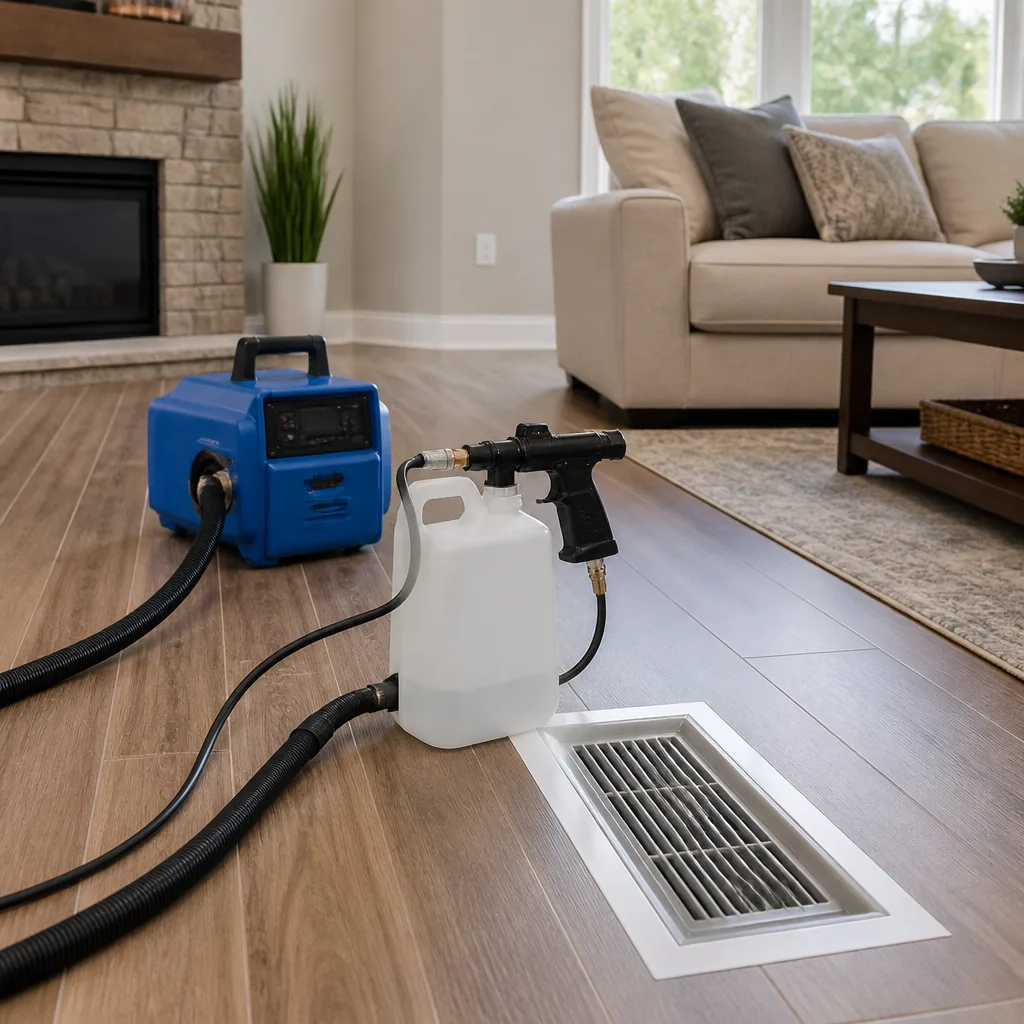 Sanitizing & deodorizing
Whole-system duct and dryer vent check with before-and-after photos - you see exactly what came out of your vents
That "$99 whole-house special" is a bait ad - the real number appears once they are in your hallway, or the "clean" is a shop-vac at the register. We photograph the inside of your ducts before and after instead.
DIY vs Professional Air Duct Cleaning: The Crown Heights Homeowner’s Decision Guide
Most homeowners in Crown Heights assume duct cleaning is about scrubbing. It isn’t. It’s about pressure. A shop vac you rent from a hardware store pulls about 1 to 2 inches of water column of suction. Professional duct cleaning equipment runs at 8 to 10 times that. That gap isn’t a marketing distinction. It’s the line between extracting debris from your duct runs and simply stirring it up so it settles again somewhere downstream. This guide separates the maintenance you can legitimately handle yourself from the work that requires real equipment, and it explains how to tell the difference before you spend a weekend on a job that was never going to work.
Quick Answer
You can clean supply registers, swap filters, and inspect accessible duct openings yourself. You cannot meaningfully clean main trunk lines or an air handler without professional suction pressure and containment. If your ducts are more than a few feet deep in debris, or if you’ve recently renovated, had mold, or notice musty odors, hire a professional. DIY maintenance between professional cleanings extends the interval; DIY cleaning of the trunk lines mostly redistributes contamination.
Styles & brands we work with
- Whole-home duct cleaning
- Dryer vent cleaning
- Camera inspection
- Sanitizing & deodorizing
Table of Contents
- What DIY Duct Maintenance Can Actually Handle
- The Physics of Suction: Why Equipment Determines the Outcome
- Crown Heights Housing Stock and Why It Complicates DIY
- The Cost-Benefit Calculation: When DIY Helps and When It Doesn’t
- How to Use DIY Inspection Findings to Brief a Technician
- What Professional-Grade Equipment Actually Means
- Common Mistakes to Avoid
- When to Call a Professional
What DIY Duct Maintenance Can Actually Handle
We want to be direct here, because a lot of duct cleaning companies won’t say it: some of this work belongs in your hands. A Crown Heights homeowner with a screwdriver, a vacuum with a brush attachment, and thirty minutes can do real, useful maintenance. The key is understanding where your access ends and where the system becomes unreachable.
Supply and return registers are the first line. These grilles collect dust, pet hair, and lint faster than the ducts behind them. Removing the register cover, vacuuming the visible surface, and wiping down the inside of the boot (the short duct section right behind the grille) removes a meaningful amount of loose debris. That debris would otherwise be drawn into the air stream every time the system cycles on. It’s a small job. It pays back.
Filter changes are the second legitimate DIY task, and arguably the most consequential. A clogged filter reduces airflow, forces the blower to work harder, and lets more dust bypass the filtration entirely if the filter has collapsed or channeled. A fresh filter every one to three months (more often in a Crown Heights apartment with pets or street-facing windows) protects both air quality and the equipment itself.
Dryer vent inspection is the third. If your dryer is in a closet or near an exterior wall, you can check the visible run of the vent for lint buildup, kinks, or crushed sections. What you can’t do is clean the full length, especially if the vent runs through a wall cavity or up to a roof termination. That’s a separate conversation, and dryer vent cleaning is a service we handle because it’s a fire-safety issue, not a cosmetic one.
Finally, you can do a visual assessment at accessible openings. Shine a flashlight into the boot behind each register. Look for debris matting, discoloration, moisture staining, or signs of pest activity. Those observations become far more useful than you’d expect once you know how to interpret them.
The Physics of Suction: Why Equipment Determines the Outcome
Here’s the core idea that separates professional duct cleaning from a shop vac with good intentions: it all comes down to pressure differential. A residential vacuum creates roughly 1 to 2 inches of water column of suction. Professional duct cleaning equipment generates 8 to 10 times that pressure. That difference is the reason a shop vac can lift dust from a register but cannot pull a mat of compacted debris through thirty feet of galvanized duct.
Debris in ducts doesn’t sit loose. It compacts. Over years, dust, lint, pet dander, and construction residue settle into a layer that clings to the duct wall. Gentle suction lifts the top of that layer. Strong suction breaks it free. Without enough pressure, you’re not extracting the debris; you’re loosening it and letting airflow carry it downstream, where it accumulates again in a section you can’t see or reach.
The second physics problem is agitation. Professional equipment uses a rotary brush or whip system that physically scrubs the duct wall while the vacuum pulls the dislodged material toward the collection point. Without agitation, even high suction only removes what’s already loose. Consumer tools can’t reach far enough into a run to agitate anything.
The third problem is containment. Once debris is dislodged, it has to go somewhere. Our technicians use Nikro HEPA-rated vacuum equipment so the material is captured, not released into the living space. For heavily contaminated systems, we bring in Abatement Technologies air filtration equipment to create negative-air containment, which is a standard borrowed from remediation work rather than routine residential cleaning. When you try to do this with a consumer vacuum, the exhaust port becomes a fine-dust aerosol. Whatever the vac pulls up comes out the back.
Crown Heights Housing Stock and Why It Complicates DIY
Crown Heights is not a subdivision of identical houses. The housing stock that makes the neighborhood interesting is also what makes duct cleaning genuinely difficult here. When we work in Crown Heights, the physical layout of the building shapes the job far more than it does in a new suburban home with a simple trunk-and-branch system in an accessible attic.
First, non-standard duct layouts. Many older homes and converted buildings here were built before forced-air central HVAC was common. When systems were retrofitted, ductwork was often routed around obstacles – through closets, along ceilings, around chimneys – rather than in a clean, engineered pattern. That means more turns, more transitions, and more places for debris to collect. A rotary brush system may need to negotiate elbows and offsets that no consumer tool will pass.
Second, shared walls and multi-family construction. In Crown Heights rowhouses and converted brownstones, ductwork sometimes passes through or near party walls. Sound travels, dust travels, and airflow between units can complicate the picture. When ducts are shared or co-mingled between floors, a homeowner who tries to clean one branch in isolation may not realize material can migrate through the system in ways the layout hides.
Third, limited basement access. Some Crown Heights basements are partial, low-clearance, or accessed through a trapdoor or a narrow stair. Getting professional equipment into those spaces is a workout, but it’s possible because the equipment was designed for it. Getting a shop vac down there and working effectively around a low joist cavity is a different problem. Access limits the job.
Fourth, renovations. Crown Heights has a steady stream of kitchen and bathroom remodels, and drywall dust is brutal on ductwork. Fine gypsum dust settles in every run and clogs filters fast. After a renovation, DIY maintenance won’t get ahead of it. That’s a full system situation. If you’re also noticing reduced airflow across the house, that’s a good moment to look at HVAC cleaning as part of the same visit.
The Cost-Benefit Calculation: When DIY Helps and When It Doesn’t
DIY maintenance makes sense as a between-cleanings strategy, not as a replacement for professional cleaning. The question isn’t “can I save money doing this myself?” It’s “does what I’m doing actually extend the health of the system, or just delay the inevitable?”
DIY genuinely helps when:
- You change filters on a real schedule. Consistent filter changes on a Crown Heights home with pets or street-facing windows can meaningfully extend the interval between professional cleanings.
- You clean registers regularly. This is the front door of the system, and keeping it clear reduces debris entering the duct runs.
- You catch small problems early. A loose register boot, a slightly pulled-apart flex connection, or a visible moisture stain is easier and cheaper to fix before it becomes a bigger issue.
- You know when to stop. Recognizing that the trunk line is beyond DIY scope is itself a cost-benefit skill.
DIY creates a false sense of security when:
- You cleaned the registers and assumed the ducts were clean. Registers are the first foot of ductwork. The problem is usually the other thirty.
- You ran a shop vac into an accessible opening and assumed the run was cleared. Without agitation and high suction, you removed the loose surface and left the compacted layer.
- You’ve had recent water damage or a mold event. Contamination at that level calls for containment, not household vacuuming.
- You’re addressing a musty odor. Odor is a symptom of something upstream of the register. Cleaning the register won’t fix it.
- Your system is older and has never been cleaned. Decades of accumulated debris is a professional job, not a weekend project.
The professional context for that judgment call matters. Reputable shops price per job by written estimate, not per vent, so a Crown Heights homeowner can compare a real number against the real scope. For context, our team members bring up to 8 years of experience to that scope assessment, which is usually where the DIY-versus-professional answer actually gets clarified.
How to Use DIY Inspection Findings to Brief a Technician
This is the part most homeowners skip, and it’s the most useful DIY skill on the list. What you observe during your own inspection can make a professional visit dramatically more productive. A technician who arrives with good information can focus the work on the parts of the system most likely to be a problem, rather than starting from scratch.
Here’s a practical sequence we recommend to Crown Heights homeowners before they call:
- Note which registers show visible debris. Is it one room, one side of the house, or everywhere? A single problem register points to a branch issue; widespread debris suggests a trunk-line or air-handler issue.
- Check airflow room by room. Hold a piece of tissue against each supply register and note whether the airflow is strong, weak, or absent. Differences between rooms point to duct restrictions or leaks.
- Note odors and where they appear. Musty odors at one register are different from musty odors at every register. The first points to a local issue; the second points to the air handler or a shared trunk.
- Record any recent renovation, water damage, or pest activity. Any of these should be mentioned before the technician begins.
- Check the air handler if you can safely reach it. Look at the filter condition and the general cleanliness of the cabinet, but don’t open panels or reach into the unit. Note what you see and photograph it.
- Photograph visible register debris with a phone. Not for us. For your own record and to share with any company you call, so the estimate is based on what’s actually visible.
When you do call for a professional visit, hand that information over. It gives the technician a working picture before they arrive. Our approach with Crown Heights clients is to review these findings and then assess the full system, not just the registers that showed visible dust. Clean ducts are only half the job; identifying where the system is losing air, or where contamination has accumulated, is where the actual decision about scope gets made.
What Professional-Grade Equipment Actually Means
“Professional-grade equipment” is a phrase used loosely in this industry, so here’s what it means in practice. The equipment a professional cleaner uses determines the outcome more than the technique does. Three categories matter most.
Suction and agitation. Rotobrush rotary brush systems are the standard equipment on most residential duct cleaning jobs. They combine high-pressure suction with a rotating brush head that scrubs the duct wall and pulls debris toward the collection point, rather than relying on suction alone. They are what we use on the majority of Crown Heights residential jobs.
HEPA capture and containment. Nikro HEPA-rated vacuum equipment captures dislodged debris before it can escape into the living space. For compounds and buildings here with heavy contamination, or for systems that have never been cleaned, we bring in Abatement Technologies air filtration equipment to establish negative-air containment. That’s a capability most standard cleaners don’t bring to a residential job, and it’s the difference between cleaning a duct and genuinely removing what’s inside it.
Post-cleaning air quality. Cleaning is a starting point, not the endpoint. For Crown Heights clients who want sustained air quality, we install Honeywell and Aprilaire components so the system’s filtration keeps working after the cleaning is done. This matters in an area with street dust, older housing stock, and renovations that generate fine particulate.
Duct repair and sealing lives in the same visit. Leaks, loose joints, crushed flex, and disconnected boots mean air (and contaminants) escaping into walls or crawlspaces instead of reaching the rooms. Cleaning a leaking system doesn’t solve the underlying problem. We handle the repair and sealing as part of the same visit rather than leaving it for a second contractor, which is one of the reasons our full scope is built around the whole indoor air system, not just the ducts.
Common Mistakes to Avoid
- Assuming registers clean means ducts clean. The register is the visible part; the trunk line behind it is where the accumulation usually lives. Cleaning the register cover alone tells you very little about the system’s condition.
- Using a shop vac on deep runs. The suction and containment aren’t there, so you’re moving debris rather than removing it. In a Crown Heights rowhouse with a long return run, that redistribution can be worse than doing nothing.
- Dismissing odors as seasonal. A musty smell at the registers in a place with the older housing stock here usually has an upstream cause. Masking it with a spray or an air freshener delays finding it.
- Cleaning after renovation without addressing the fine dust. Drywall dust behaves differently from everyday house dust. It settles deep into the system, clogs filters fast, and requires professional extraction. Waiting to clean doesn’t help; the dust stays where it settled.
- Skipping the dryer vent. Many homeowners treat dryer vents as a duct cleaning afterthought. They’re a separate fire-safety concern, and one that companies focused only on HVAC ducts often skip entirely.
- Choosing the cheapest quote without understanding the scope. A one-hour visit with a shop vac and a coupon price is not the same job as a full system cleaning with containment and agitation. Ask what equipment will be on site and what the estimate covers.
- Cleaning a leaking system and stopping there. If duct joints are separated or the air handler has sealant failures, cleaning without addressing the leaks leaves the problem intact. Ask whether repair and sealing are part of the visit.
When to Call a Professional
Call a professional when your ducts show any of these signs: a musty odor that comes back whenever the system runs; visible debris accumulation more than a few feet past the register; recent renovation, water damage, or pest activity in the system; a family member with allergy or respiratory symptoms that worsen indoors; or a system that’s never been cleaned in a home older than twenty years. Call as well if you’re moving into a Crown Heights building and don’t know the system’s history.
When you call, ask what equipment will be used on the system and whether repair, sealing, and sanitizing are included or handled separately. A single visit that addresses the whole system – cleaning, sealing, and (where relevant) sanitizing – is more useful than scheduling a cleaning and then hunting for a second contractor.
Air Duct Cleaning Crown Heights offers free estimates in Crown Heights – call (833) 754-9186. We answer 24/7. Fast dispatch from 7am to 7pm, Sunday through Friday. The estimate is free, and the price is set per job by the written estimate, so you’ll know the scope before any work begins.
See the difference
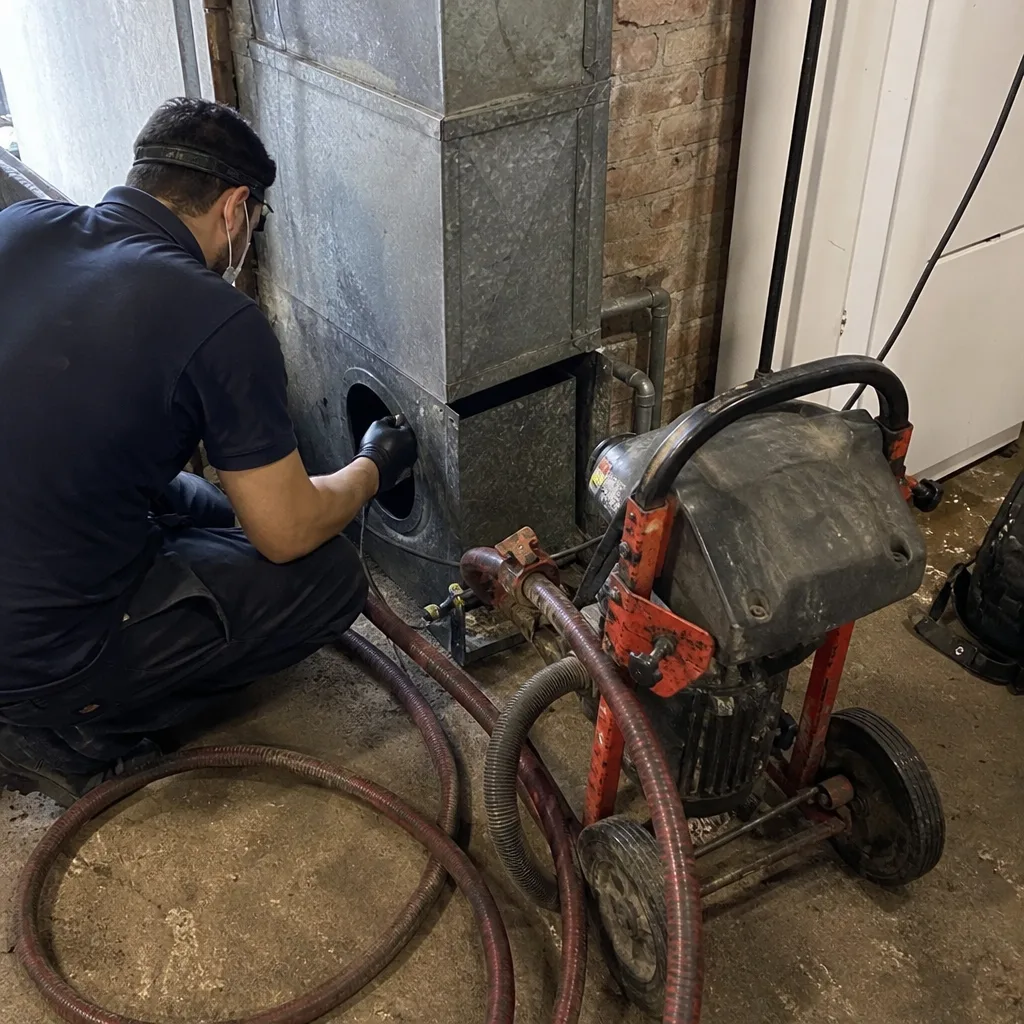 Before
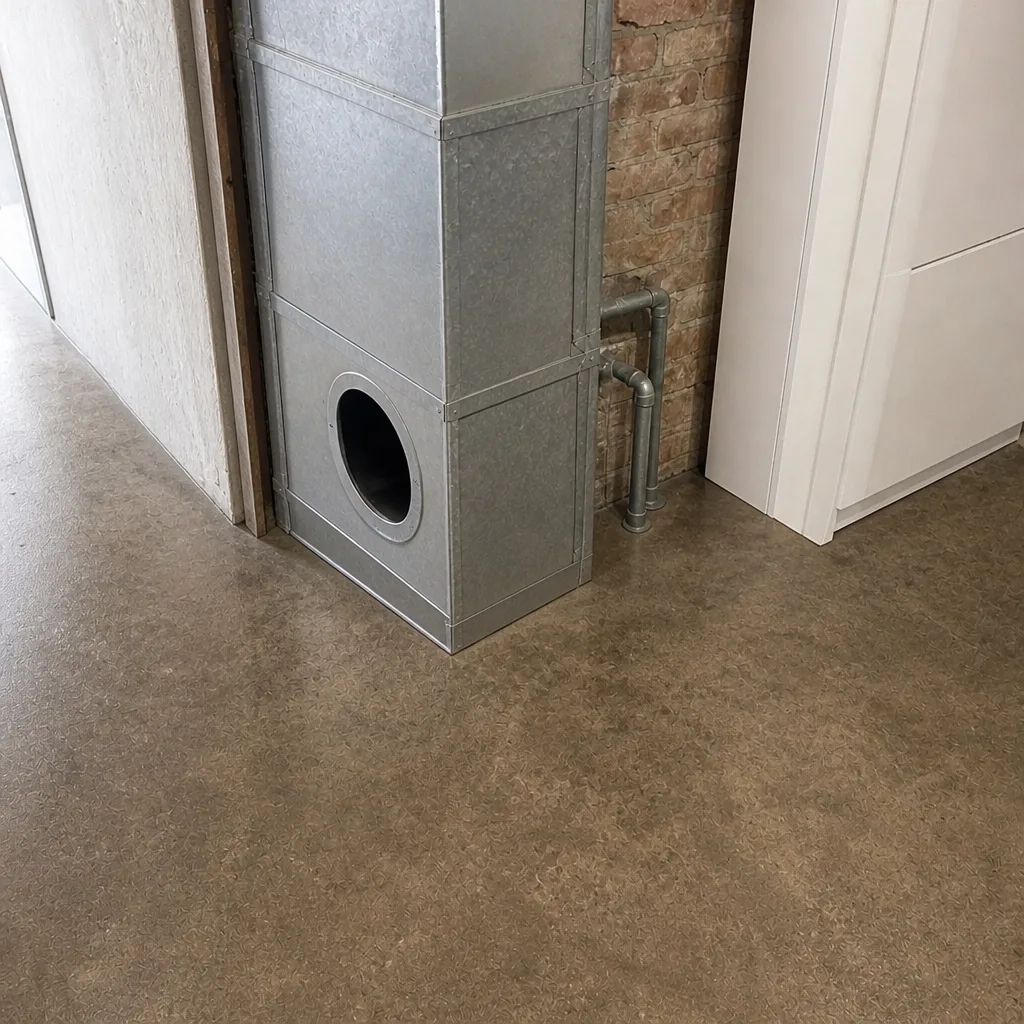 After
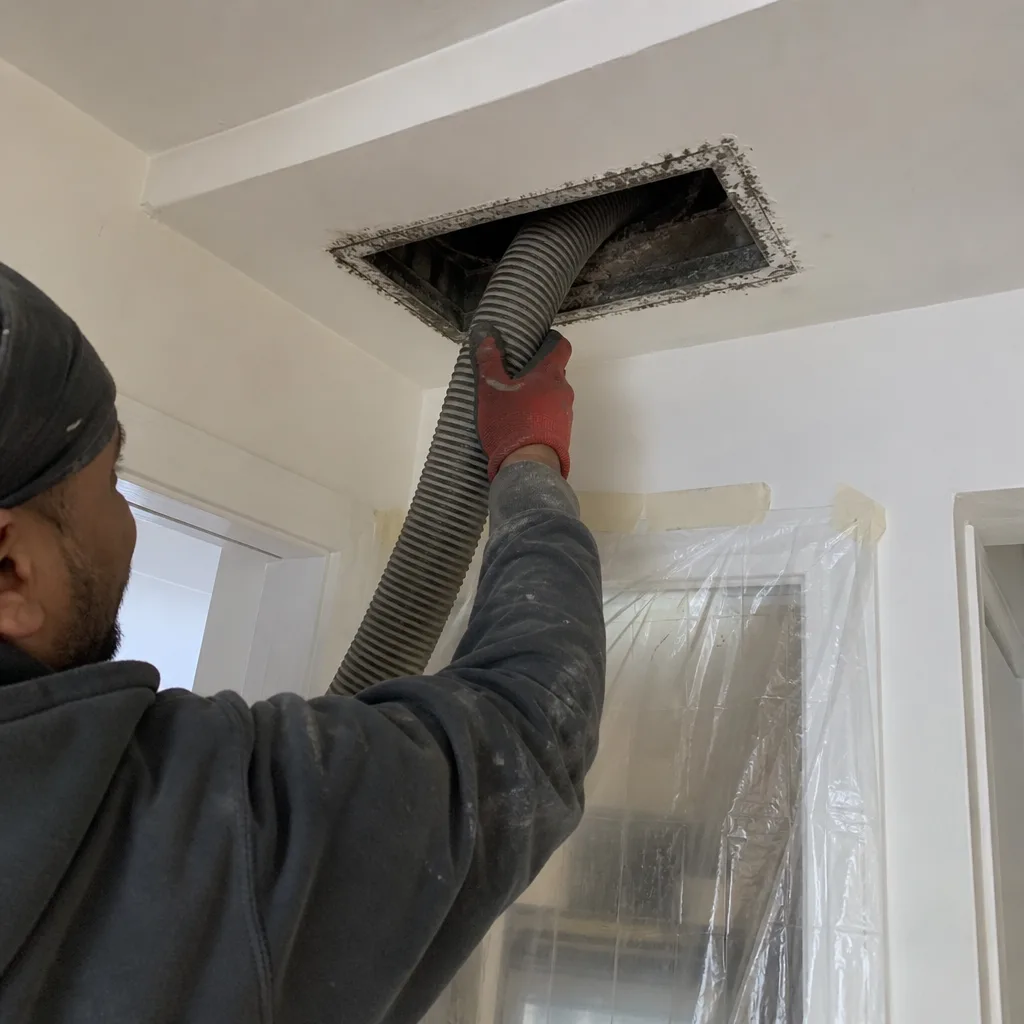 Before
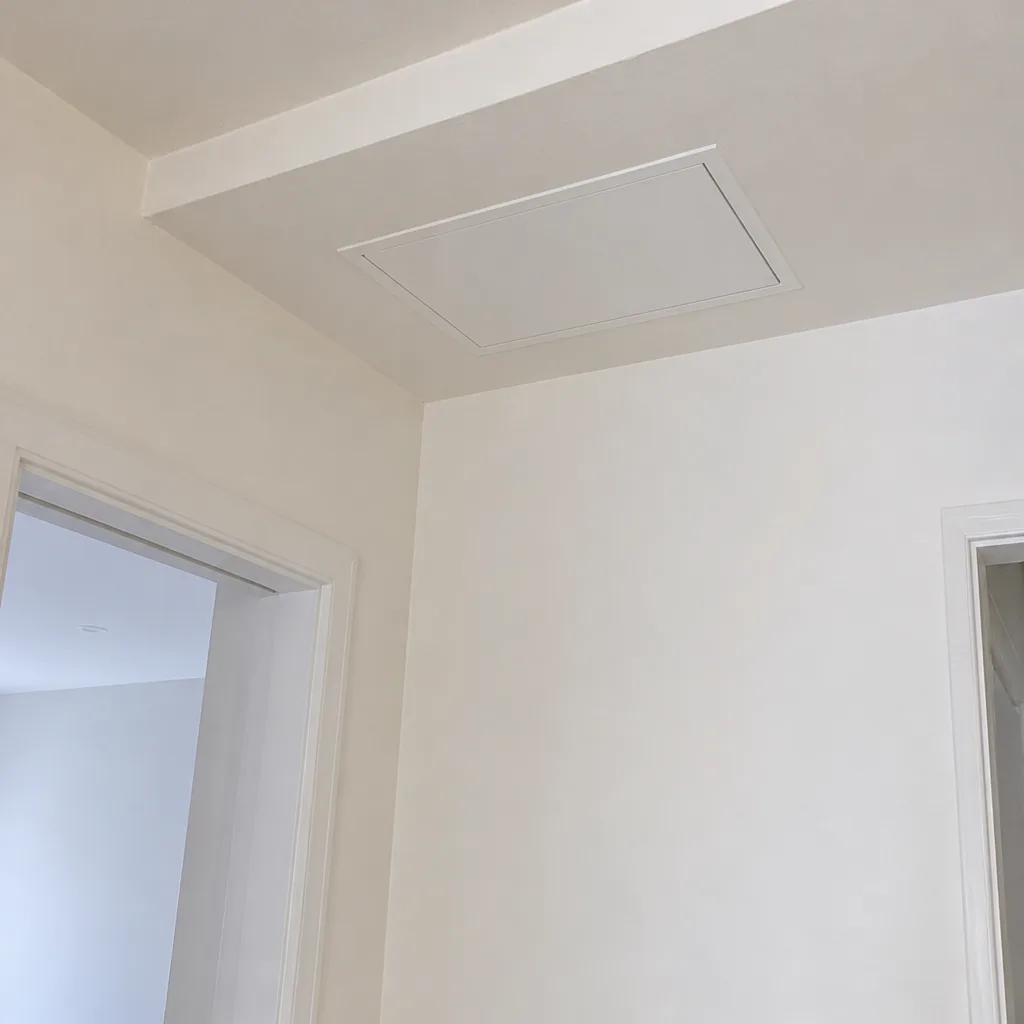 After
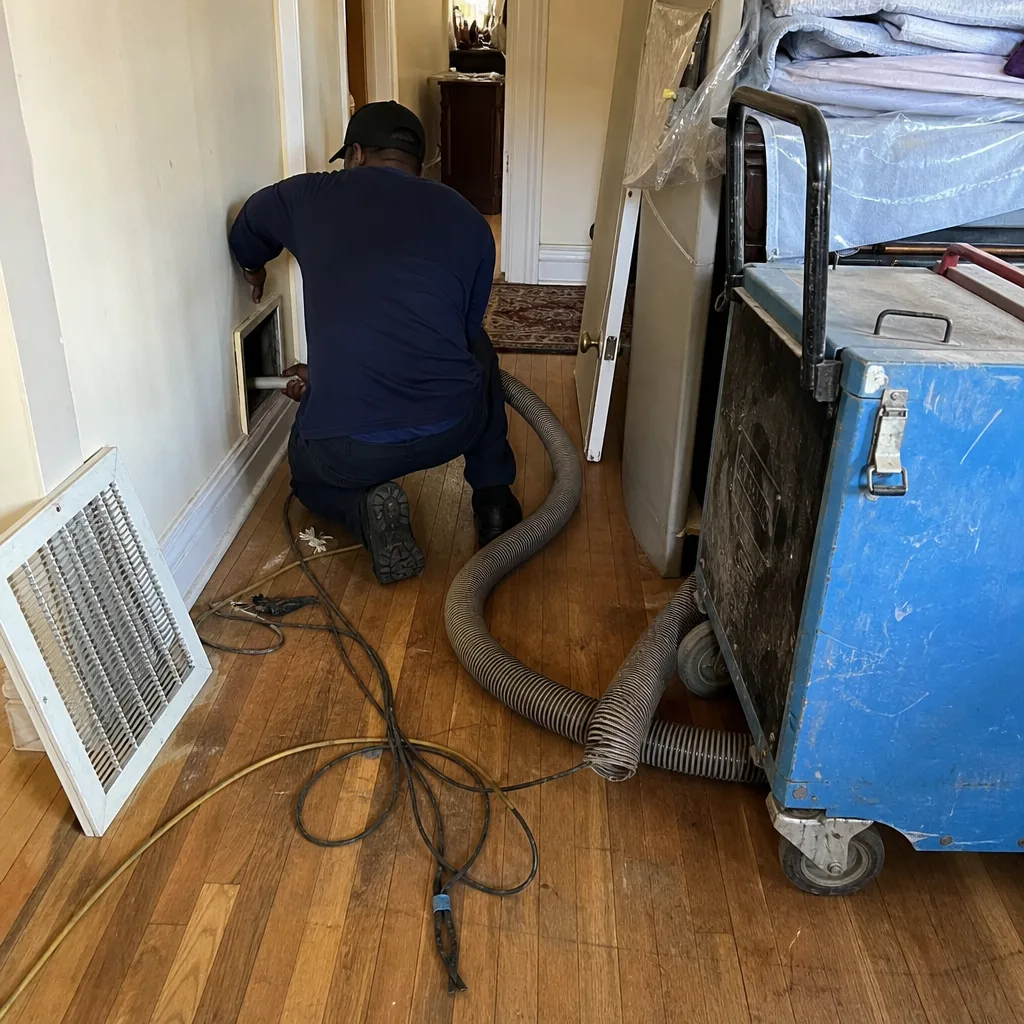 Before
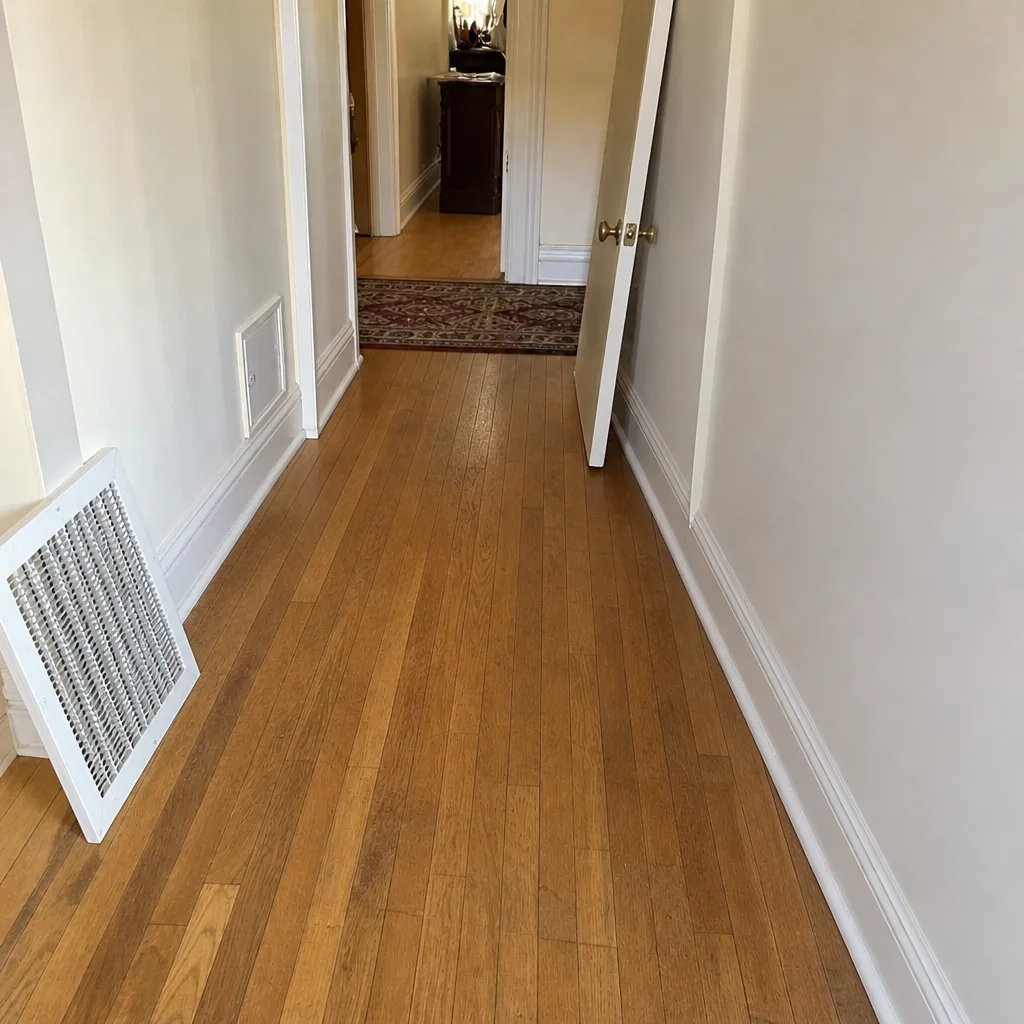 After
Frequently Asked Questions
You can clean registers, change filters, and inspect accessible duct openings yourself. Full duct cleaning – especially the main trunk lines and air handler – requires professional equipment, because consumer vacuums don’t generate enough suction pressure to extract compacted debris. The result of DIY full-duct cleaning is usually redistribution, not removal.
Because the work is rarely the same. A low quote often covers only surface register cleaning with a shop vac, no agitation, no containment, and no inspection of the trunk lines or air handler. A professional quote reflects the equipment on site, the number of systems, the contamination level, and whether repair or sealing is included. Since we price per job by written estimate, you can compare the actual scope against the company offering that quote.
Ask for before-and-after photos of your own system, and confirm whether the company uses professional-grade equipment (Rotobrush, Nikro, Abatement Technologies or equivalent) and whether containment is part of the job. For our part, we document what we found and what was cleaned so the record follows the visit. Call (833) 754-9186 for a free estimate.
Most Crown Heights homes need a full cleaning every three to five years under normal conditions. That interval shortens for homes with pets, recent renovations, water damage, or residents with allergies. Between cleanings, filter changes and register maintenance make a real difference and can extend the interval. If your housing stock is pre-war or has been renovated recently, plan on the shorter end.
Often, yes, because older buildings here tend to have more complex duct layouts, longer runs, more transitions, and harder access to basements and air handlers. None of that changes the estimate process: we assess the actual system and price the job in the written estimate. Call (833) 754-9186 for a free estimate.
Duct cleaning focuses on the ductwork – the runs, boots, and trunk lines. HVAC cleaning addresses the rest of the system: the air handler, evaporator coil, blower, and cabinet. Most Crown Heights jobs benefit from both, which is why we assess the full system in one visit rather than only addressing the ductwork. Both fall under the air duct cleaning and HVAC cleaning scope we handle.
The Bottom Line
DIY duct maintenance is real and useful. Register cleaning, filter changes, dryer vent checks, and visual inspection all make the system healthier and extend the interval between professional cleanings. But the physics of suction pressure is not something a consumer vacuum overcomes. For trunk lines, air handlers, and anything past the first few feet of duct, professional equipment and containment are the difference between removing debris and moving it. In Crown Heights, the housing stock – older layouts, shared walls, limited basement access – makes that line even clearer. Know what you can do. Know where it ends. And when you call, call with the findings so the visit does more than it otherwise would.
If you want a system-wide assessment, Air Duct Cleaning Crown Heights handles cleaning, repair and sealing, sanitizing, and dryer vent cleaning as one scope. Call (833) 754-9186 for a free estimate. We answer 24/7. Fast dispatch from 7am to 7pm, Sunday through Friday.
Written by the team at Air Duct Cleaning Crown Heights.