
Last updated November 22, 2026
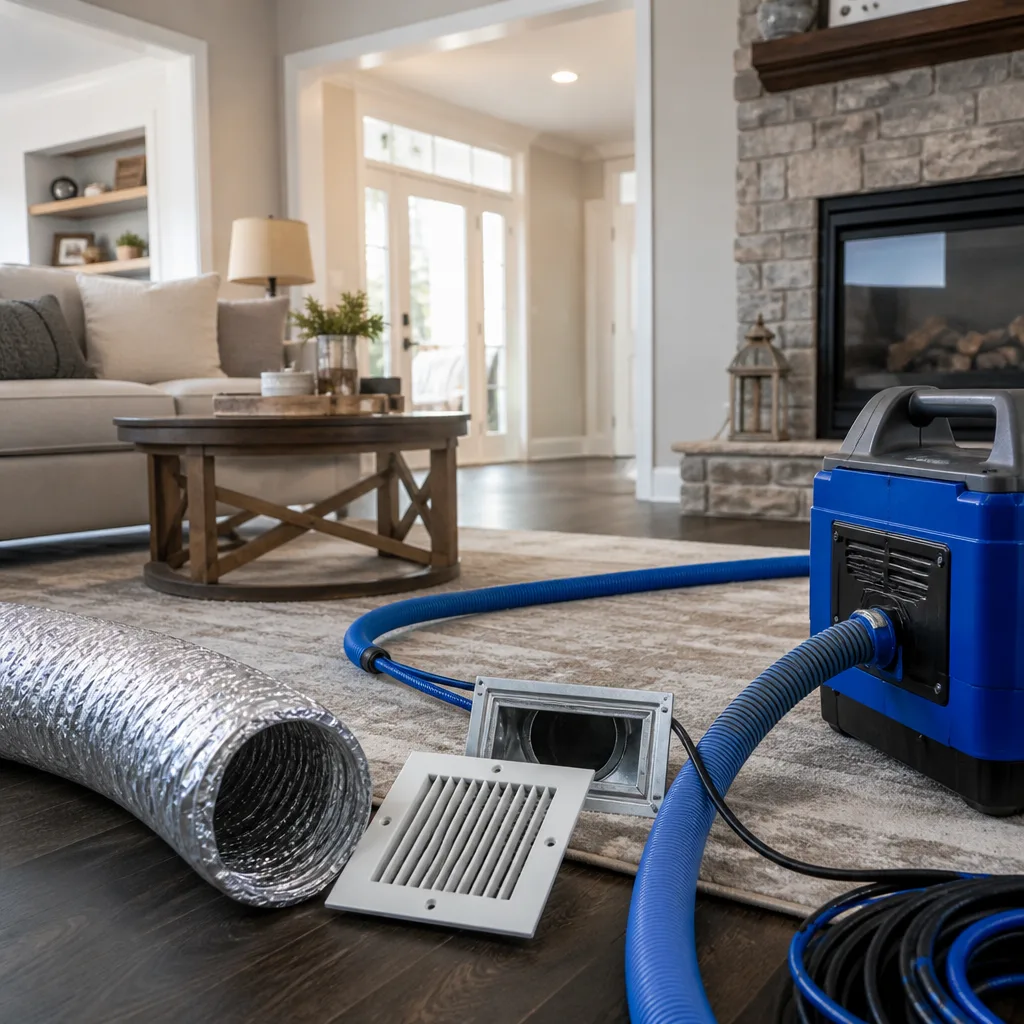 Whole-home duct cleaning
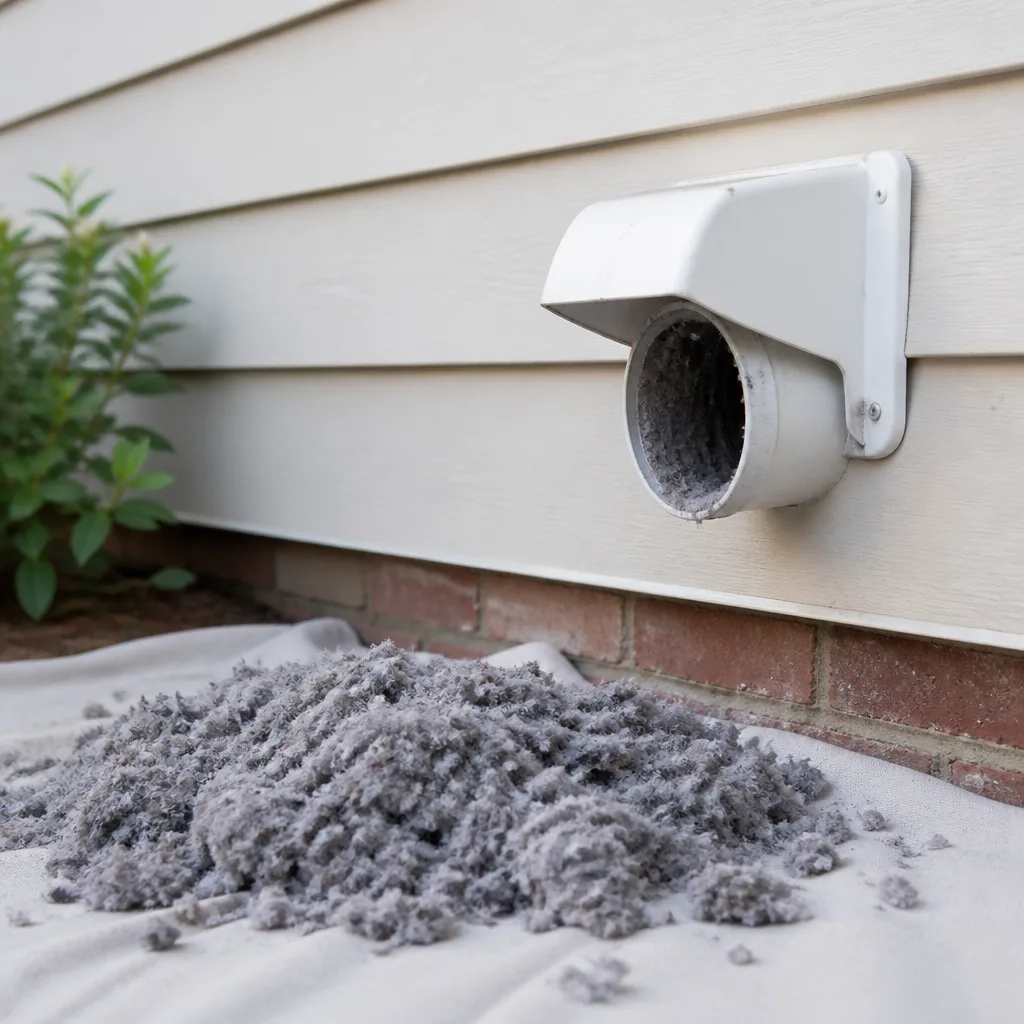 Dryer vent cleaning
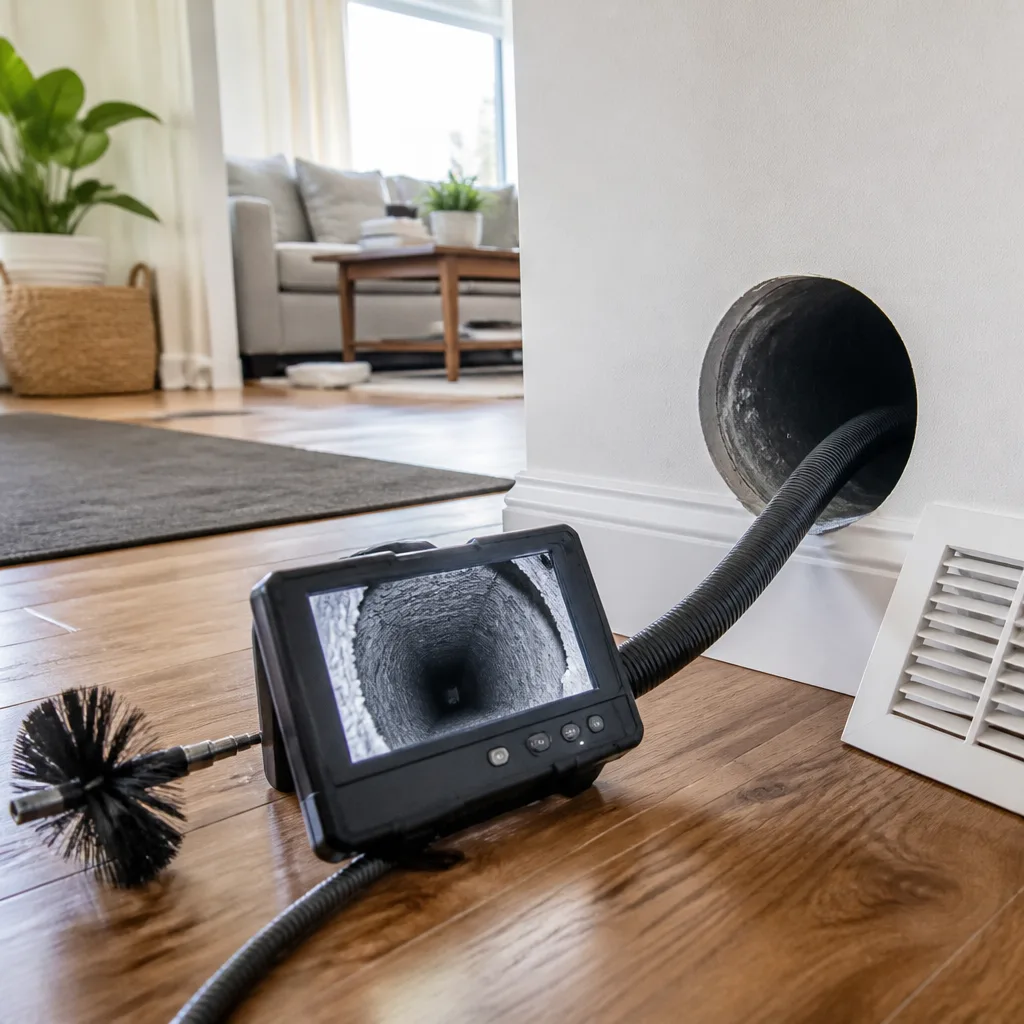 Camera inspection
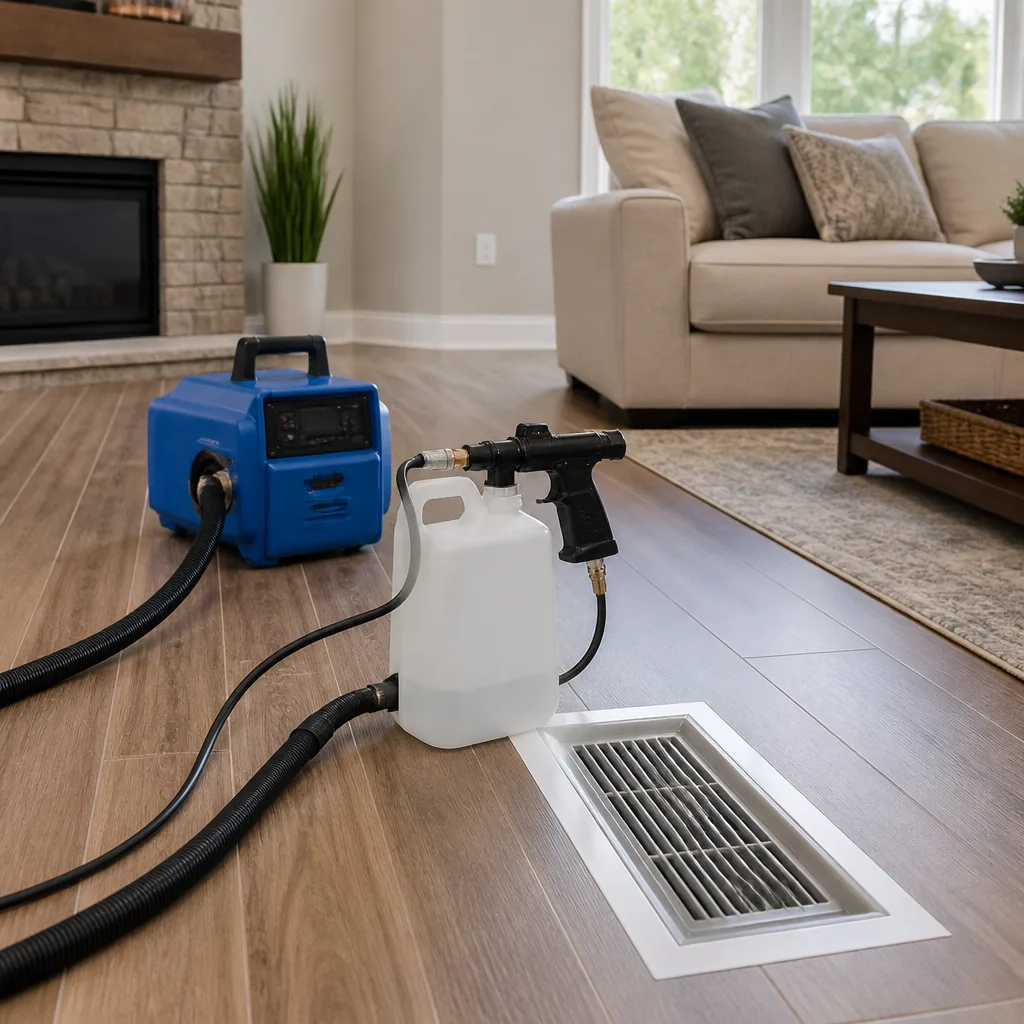 Sanitizing & deodorizing
Whole-system duct and dryer vent check with before-and-after photos - you see exactly what came out of your vents
That "$99 whole-house special" is a bait ad - the real number appears once they are in your hallway, or the "clean" is a shop-vac at the register. We photograph the inside of your ducts before and after instead.
How to Hire an Air Duct Cleaning Contractor in Crown Heights: A Step-by-Step Guide
The duct cleaning industry has no universal licensing requirement in New York, which means the $89 special you saw on a flyer and a NADCA-certified technician with professional equipment both legally call themselves air duct cleaners. That gap is the whole problem. Hiring the wrong crew doesn’t just waste money. It can knock loose years of settled dust and debris into your living space, push contamination deeper into the system, or leave behind work that voids the manufacturer’s warranty on your equipment. This guide walks through the vetting process we’d want a homeowner to use anywhere in Crown Heights, from the first phone call to the final walkthrough, so you can tell a legitimate operation from a low-bid guess.
Quick Answer
To hire an air duct cleaning contractor in Crown Heights, verify what equipment they run, ask for a written scope of work before any deposit, confirm whether they perform source removal or just surface cleaning, and demand a post-job report with photos or video. Credentials matter, but the equipment and the written scope tell you far more than a logo on a van. If a quote is dramatically cheaper than the others, ask what’s missing from it before you ask for a discount.
Styles & brands we work with
- Whole-home duct cleaning
- Dryer vent cleaning
- Camera inspection
- Sanitizing & deodorizing
Table of Contents
- Why Licensing Alone Doesn’t Protect You in New York
- What NADCA Certification Means and What It Doesn’t
- The Equipment Checklist: Professional Systems vs. Shop Vacs
- NYC-Specific Red Flags to Watch For
- How to Structure a Quote Request for Comparable Bids
- Post-Job Verification: What You Should Receive
- Why Cleaning Alone Isn’t Always Enough
- Common Mistakes to Avoid
Why Licensing Alone Doesn’t Protect You in New York
Here’s the uncomfortable truth about this trade: New York doesn’t issue a specific air duct cleaning license the way it does for electricians or plumbers. A contractor may hold a general home improvement license through the state, but that license doesn’t test or certify anything about duct cleaning technique. It confirms the business is registered and carries some level of insurance. What it doesn’t tell you is whether the technician knows how to run a rotary brush system without damaging flex duct, or whether the vacuum is rated to capture fine particulate instead of blowing it back into the room.
This matters more in dense Crown Heights housing than people realize. A large share of the housing stock is older multi-unit buildings and early-20th-century houses with original or retrofitted ductwork. That ductwork was often sized and routed decades ago, and some of it has been patched, taped, or reconnected over the years. A crew that doesn’t understand older systems can disconnect sections without noticing or crack brittle joints under pressure. The best defense is asking the right questions, not reading a license number.
What to Actually Verify
- Insurance: Ask for a certificate of insurance naming general liability coverage. This is a reasonable request any professional business expects.
- Written scope of work: Before any deposit, you should have a document that says exactly what will be cleaned, what equipment will be used, and what happens if damage is discovered.
- References or photos: A credible contractor can show you photos of actual jobs, not stock images of shiny ductwork.
- A physical address or business identity: A flyer with only a phone number and no business name is a warning sign, not a bargain.
None of this is unreasonable to ask. If a contractor hesitates to provide a written scope or insurance certificate before starting, that hesitation is your answer. For an overview of what the full service involves, see our page on Air Duct Cleaning Crown Heights.
What NADCA Certification Means and What It Doesn’t
NADCA stands for the National Air Duct Cleaners Association, and it publishes the industry’s most widely cited standard for assessment, cleaning, and restoration of HVAC systems. A technician who holds NADCA certification has completed coursework and testing on duct cleaning methods, including source removal technique, equipment use, and system inspection. That’s real value. It signals someone took the trade seriously enough to get assessed against a recognized standard.
What NADCA certification doesn’t cover, however, is everything you actually care about on your specific job. It doesn’t guarantee the company owns professional-grade equipment. It doesn’t guarantee a written scope of work. It doesn’t guarantee they’ll repair a failing joint rather than just clean around it. Certification is a floor, not a ceiling.
Questions to Ask Beyond Credentials
- What specific equipment will you use on my system, and is it a negative-pressure setup?
- Will you clean the air handler and coil as part of this job, or only the branch ducts?
- Do you inspect for leaks and disconnected sections before cleaning?
- Can you repair and reseal any damaged sections yourself, or would I need a separate contractor?
- What does the post-job report include, and will I receive before-and-after documentation?
- How do you handle a heavily contaminated system differently from a routine one?
The last question separates real operators from order-takers. A heavily contaminated system, such as one recovering from a renovation, water event, or years of neglect, needs containment-level control so dislodged material doesn’t migrate into living spaces. That’s a different job than a maintenance cleaning, and a good contractor will say so before you ask. For background on what a proper full-system clean looks like, see our guide to air duct cleaning.
The Equipment Checklist: Professional Systems vs. Shop Vacs
If you remember one thing from this guide, make it this: the equipment on the truck tells you more than any sales pitch. A legitimate air duct cleaning operation uses a high-powered vacuum system, either truck-mounted or a high-powered portable unit, paired with agitation tools that loosen debris from duct walls. The two categories most worth knowing are rotary brush systems and HEPA-rated vacuum units. Rotobrush makes the rotary brush systems professional HVAC contractors rely on nationwide, and Nikro builds HEPA-rated vacuums designed to capture fine particulate instead of redistributing it into your rooms.
What an under-equipped crew brings is a shop vac and a hose. A shop vac has neither the airflow nor the filtration to pull material loose from a fully connected system, and it can stir up settled debris faster than it captures it. We’ve seen the results of that approach in Crown Heights: fine dust settling on furniture for days after a “cleaning” and a homeowner who’s out the money with nothing to show for it.
What to Look For
- Negative-pressure setup: The system should be under a vacuum during cleaning so dislodged material leaves the building rather than entering your room.
- Rotary brush or whip agitation: Vacuum alone doesn’t scrub duct walls. Mechanical agitation loosens the bonded layer of dust that clings to the surfaces.
- HEPA filtration: The vacuum exhaust should be HEPA-rated so fine particles aren’t returned to the air.
- Containment equipment for heavy contamination: Systems built for higher-level contaminant control, such as Abatement Technologies units, indicate a crew ready for remediation-level work, not just routine maintenance.
- Inspection tools: A camera to inspect the interior of the ducts before and after. If they can’t show you the inside of the duct, they can’t prove the work was done.
The phrasing matters less than the actual machinery. Ask the contractor to name the equipment. If the answer is vague, that’s the answer.
NYC-Specific Red Flags to Watch For
Duct cleaning scams aren’t unique to Crown Heights, but the density and turn-over of NYC housing create conditions that favor them. Fast-moving flyers, cut-rate specials, and door-to-door offers are more common here than in the suburbs. The pattern is similar everywhere: a low anchor price that becomes a much larger invoice once the crew is inside your home.
Price Anchoring
A $79 or $99 “whole house special” is not a quote for a real cleaning. It’s designed to get a technician in the door, where the real price gets negotiated face to face with a homeowner who already feels committed. If a price seems too low to cover equipment, labor, and insurance for a full-system job, it probably doesn’t. The number that should matter to you is a written per-system price, agreed before work starts. Not a per-vent price, not a per-affected-area price, and not a price that grows once the vacuum is running.
Mid-Job Upsells
A legitimate contractor inspects first and gives you one written quote covering the full scope. If work is added mid-job without a written change order you can review, that’s pressure, not service. “We found mold” should come with a photo and a written scope, not an urgent verbal conversation in your hallway.
Refusal to Provide a Written Scope
This is the broadest red flag. Any legitimate operator can hand you a document that says what will be cleaned, how, and for how much. If a crew can’t or won’t, you’re looking at a job with no defined finish line. In our experience, the written scope is also what protects the contractor, so a well-run business wants it as much as you do.
Other Signs
- No business name on the vehicle or the flyer, only a phone number.
- “Cash only” quotes delivered verbally and never put in writing.
- Pressure to decide immediately because “the crew is already in the neighborhood.”
- No camera inspection, no photos, no before-and-after record.
- Quotes that bundle unrelated trades you didn’t ask for.
How to Structure a Quote Request for Comparable Bids
The single biggest reason duct cleaning quotes seem hard to compare is that contractors quote different jobs. One prices a branch-duct cleaning only. Another includes the air handler. A third adds sanitizing. If you ask for the same line items from every contractor, comparing bids becomes straightforward.
Bid Request Template
- Number of systems and approximate number of vents: Give them the rough count. Legitimate contractors will still verify on site.
- Air handler cleaning included? Ask for this as a separate line item so you can see whether it’s covered or extra.
- Coil cleaning included? The evaporator coil in a dirty system often needs cleaning, and not every quote includes it.
- Duct inspection and repair: Ask whether they inspect for disconnected or damaged sections and, if found, whether they repair them in the same visit.
- Sanitizing: If microbial growth or odor is a concern, ask for it as a line item, not a mid-job surprise.
- Post-job documentation: Ask what you receive as proof of work. Photos, video, or a written report.
- Price basis: Confirm it’s a per-system price for the scope defined, not a per-vent figure that shifts with a recount.
When bids come in on those eight points, the cheapest number is rarely the cheapest job. For a look at what dryer vent service involves and why it should be quoted separately, see dryer vent cleaning, which addresses a leading cause of residential fires that many duct-only companies skip entirely. And if your concern spans the whole HVAC system, our HVAC cleaning page covers what goes beyond the ducts themselves.
Post-Job Verification: What You Should Receive
A real cleaning produces evidence. Not just a crew that packs up and leaves. When the work is done, you should be able to see, read, or review proof that the system is cleaner than it was. This is also where the low-bid operator disappears. If the crew doesn’t have a camera, they can’t show you the inside of your ducts, and you’re left trusting a handshake.
What a Legitimate Contractor Should Deliver
- Before-and-after photos or video of your actual ducts, not a generic slide deck.
- A written report noting what was cleaned, what condition the system was in, and any issues found.
- Notes on repairs performed if a joint was resealed, a section reconnected, or a leak patched.
- Airflow observations where the contractor has the equipment to make them. Not a number every crew can produce, but a useful benchmark.
- Filter recommendations based on the condition found, including whether a higher-MERV filter would help or hurt airflow.
The photos are the most useful deliverable for a homeowner who won’t usually see inside their own ductwork. If a contractor doesn’t offer them, ask. If they can’t, that’s diagnostic. For ongoing air quality work, contractors who stock and install Honeywell or Aprilaire components can connect cleaning directly to filtration improvements. Those parts matter only if the cleaning was done properly first.
Why Cleaning Alone Isn’t Always Enough
Clean ducts are only half the job in a lot of Crown Heights homes. The rest is repair and sealing. Older systems, especially in buildings that have been renovated or reconfigured, frequently have disconnected joints, crushed flex sections, and taped connections that have failed. Cleaning a system with leaky ductwork is like mopping a floor with the windows open: the dirt comes in faster than you can remove it, and the system loses conditioned air before it reaches the room.
That’s why we perform duct repair and sealing alongside cleaning. A failed joint gets reconnected and sealed in the same visit, not left for a separate contractor who has to be scheduled weeks out. For a homeowner in Crown Heights, that matters in a practical way. The system is inside the walls, the appointment is already happening, and sealing a leak that a camera already found costs far less than a second visit.
What to Ask About Repair
- Do they inspect the interior duct surfaces for tears or disconnections, not just the visible portions?
- Can they repair a failed joint on the same visit, and is the repair quoted up front?
- Do they use mastic or professional-grade foil tape rather than standard duct tape that degrades over time?
- Will they reseal the system after cleaning so the cleaning stays effective?
For systems old enough that a home has been through multiple renovations, or for anyone recovering from a renovation or water event, this is where equipment and scope separate the professionals. If you’re cleaning up after construction dust or a mold event, ask specifically whether the contractor runs containment-level equipment for that kind of job. You can read more about the sanitizing step in the full air duct cleaning service overview.
Common Mistakes to Avoid
- Chasing the lowest quote. A price that doesn’t cover professional equipment and labor will be made up somewhere, usually in an upsell once the crew is inside. Pay for the job you actually want done.
- Accepting a per-vent price without a scope. Per-vent figures blur the difference between a real system clean and a surface pass. Insist on a per-system price tied to a written scope.
- Skipping the equipment question. If a contractor can’t name the vacuum or agitation system they use, assume it isn’t professional-grade. Ask before you book, not after.
- Booking a “same-day special” without a written quote. Nothing prevents a professional operation from providing written scope before work starts. Speed is fine; no paperwork isn’t.
- Ignoring the dryer vent. Duct-only companies often skip the dryer vent entirely, which is one of the leading causes of residential fires. Ask whether it’s included or quoteable separately.
- Forgetting to ask for proof of work. Photos or video of your actual ducts are the most reliable check on whether the cleaning was real. Ask up front what documentation you’ll receive.
- Assuming a clean system is a tight system. Leaky ducts waste conditioned air and pull in dust. Ask about repair and sealing as part of the same visit.
See the difference
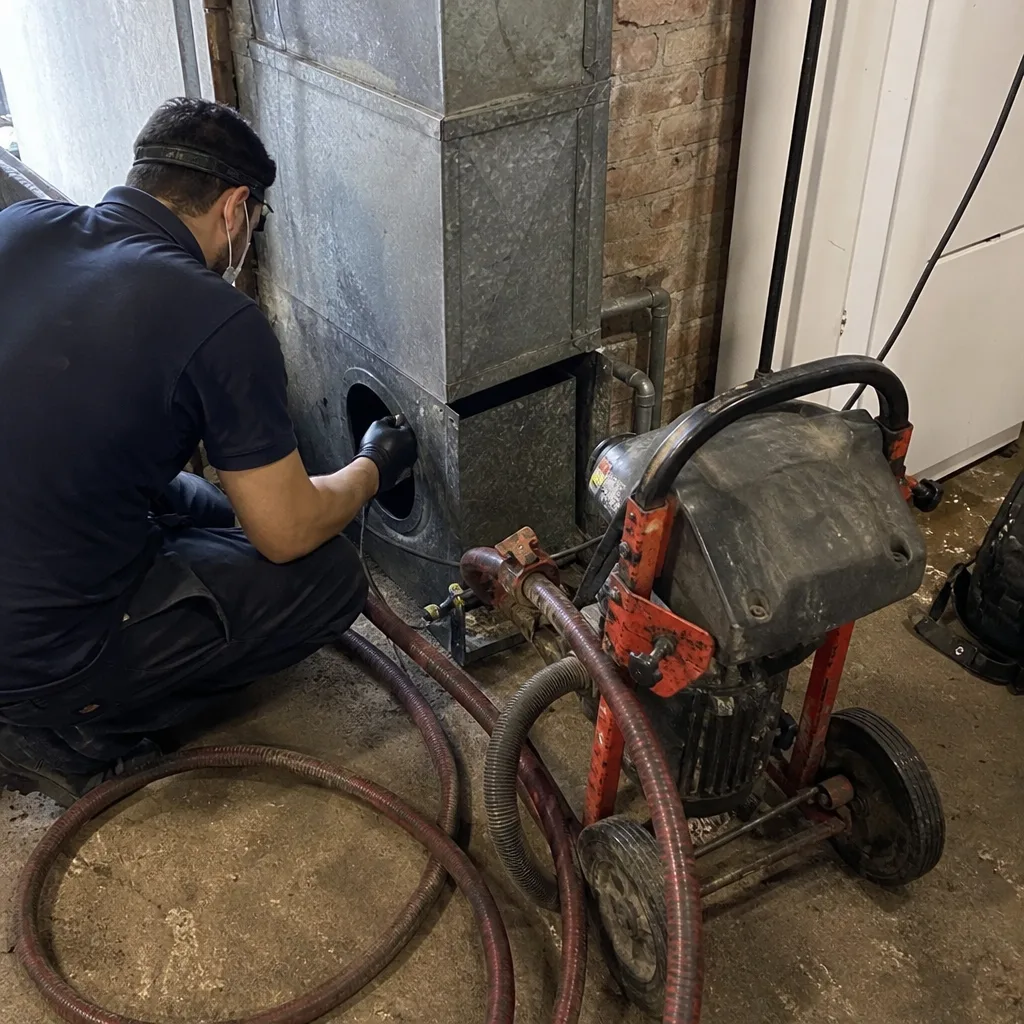 Before
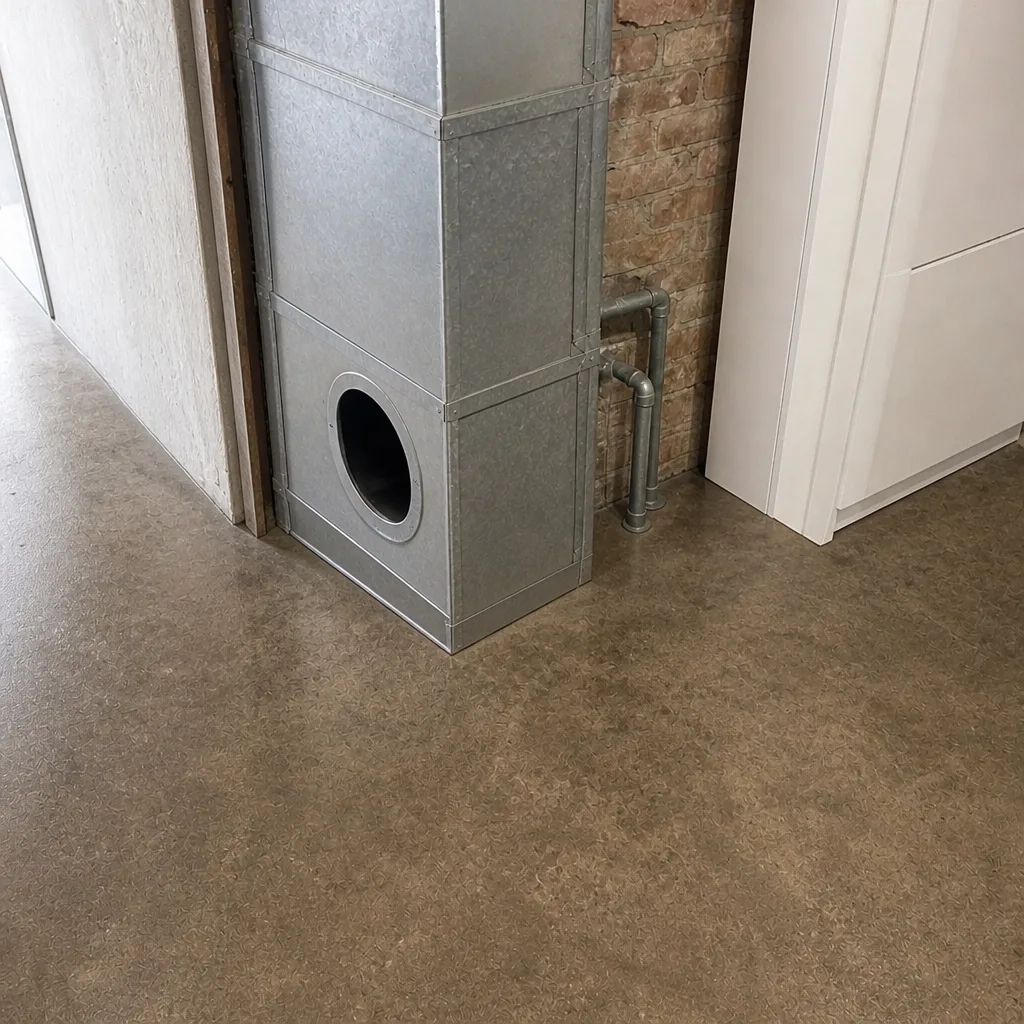 After
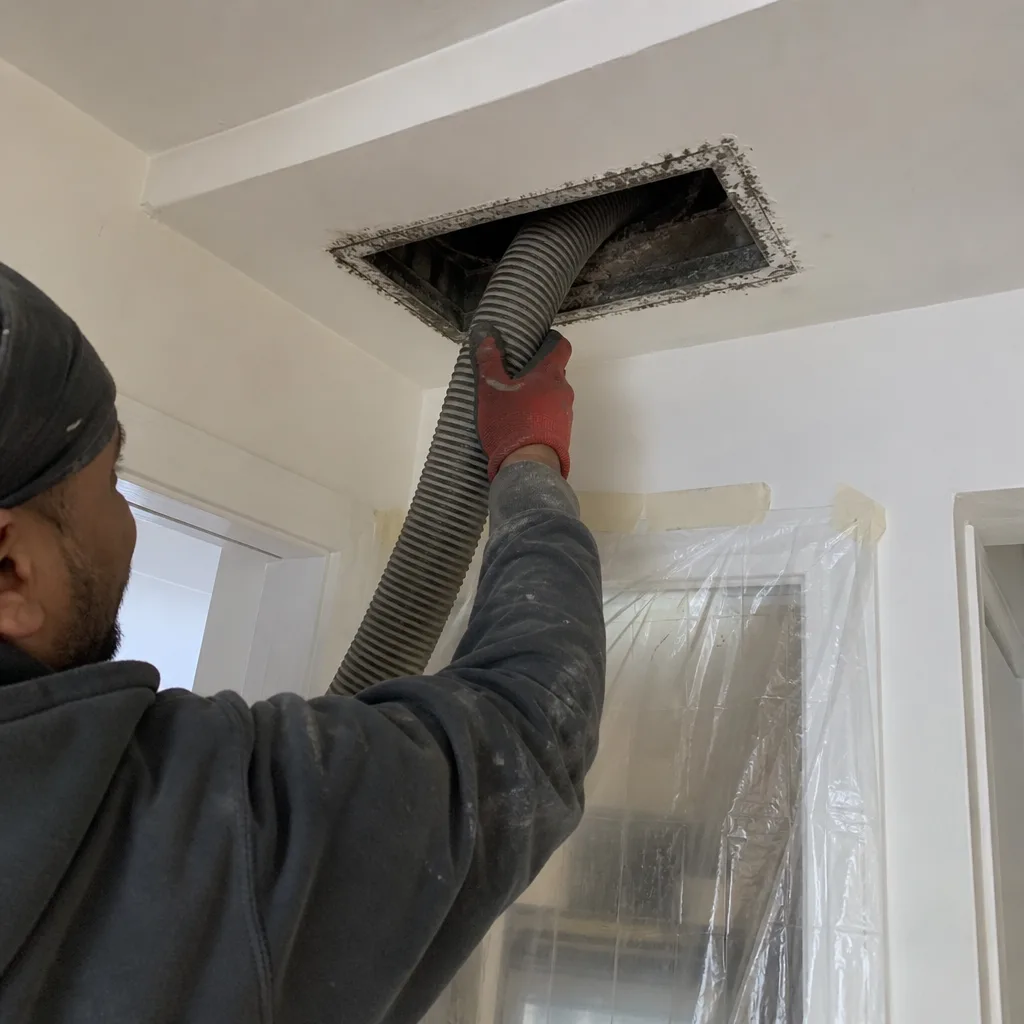 Before
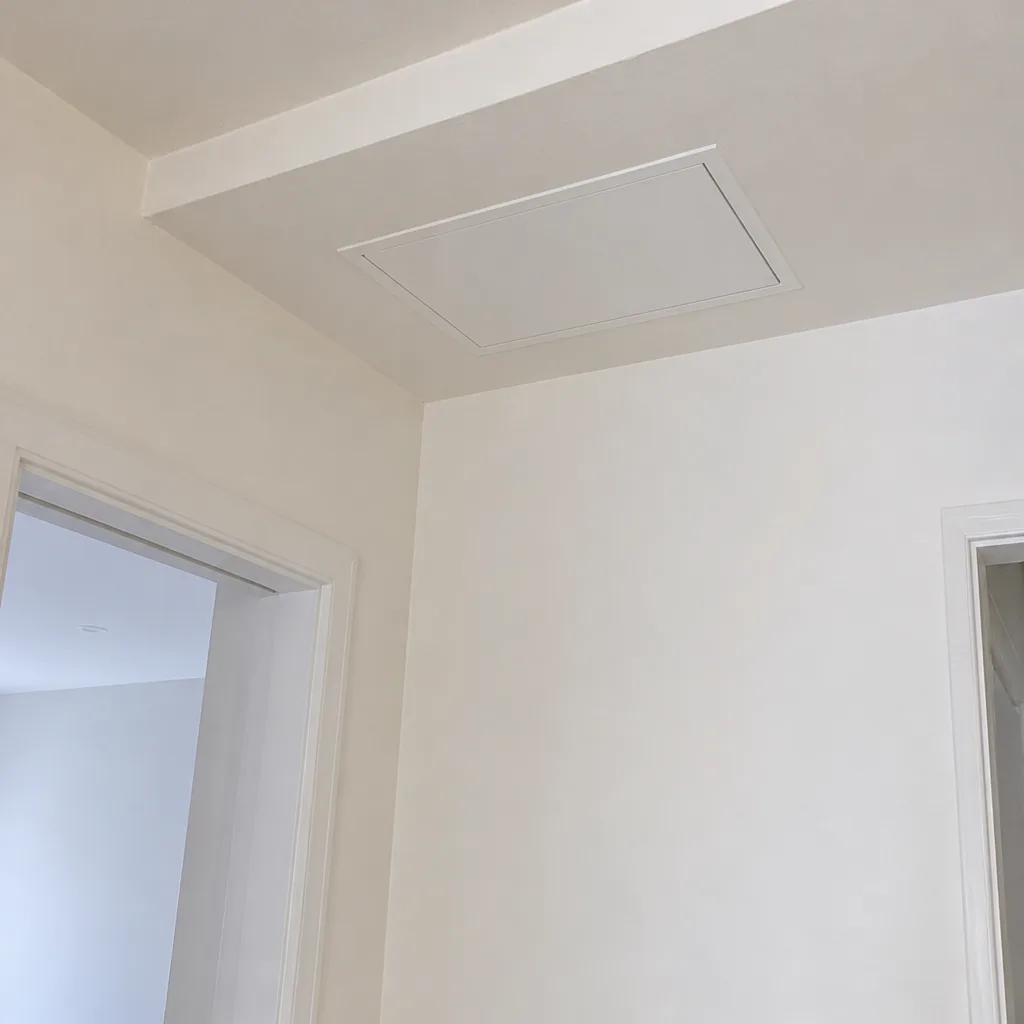 After
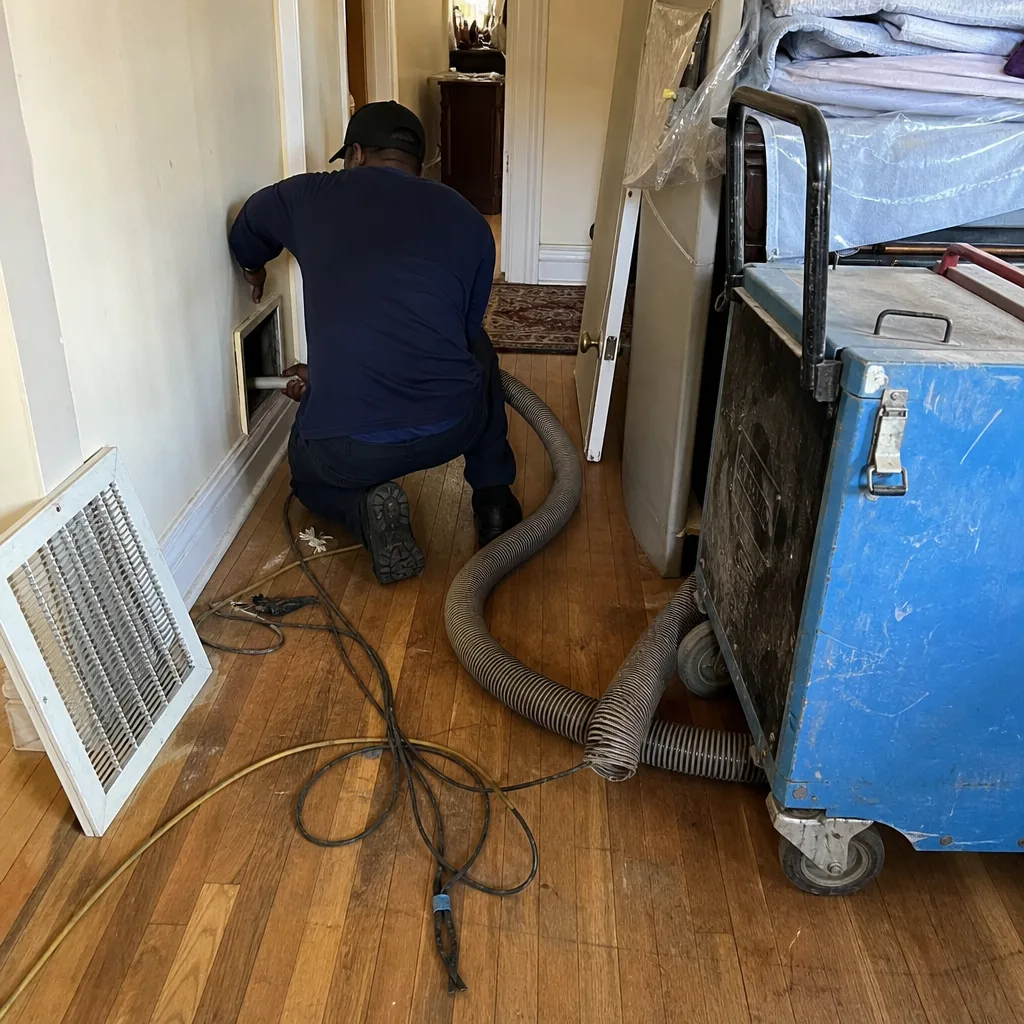 Before
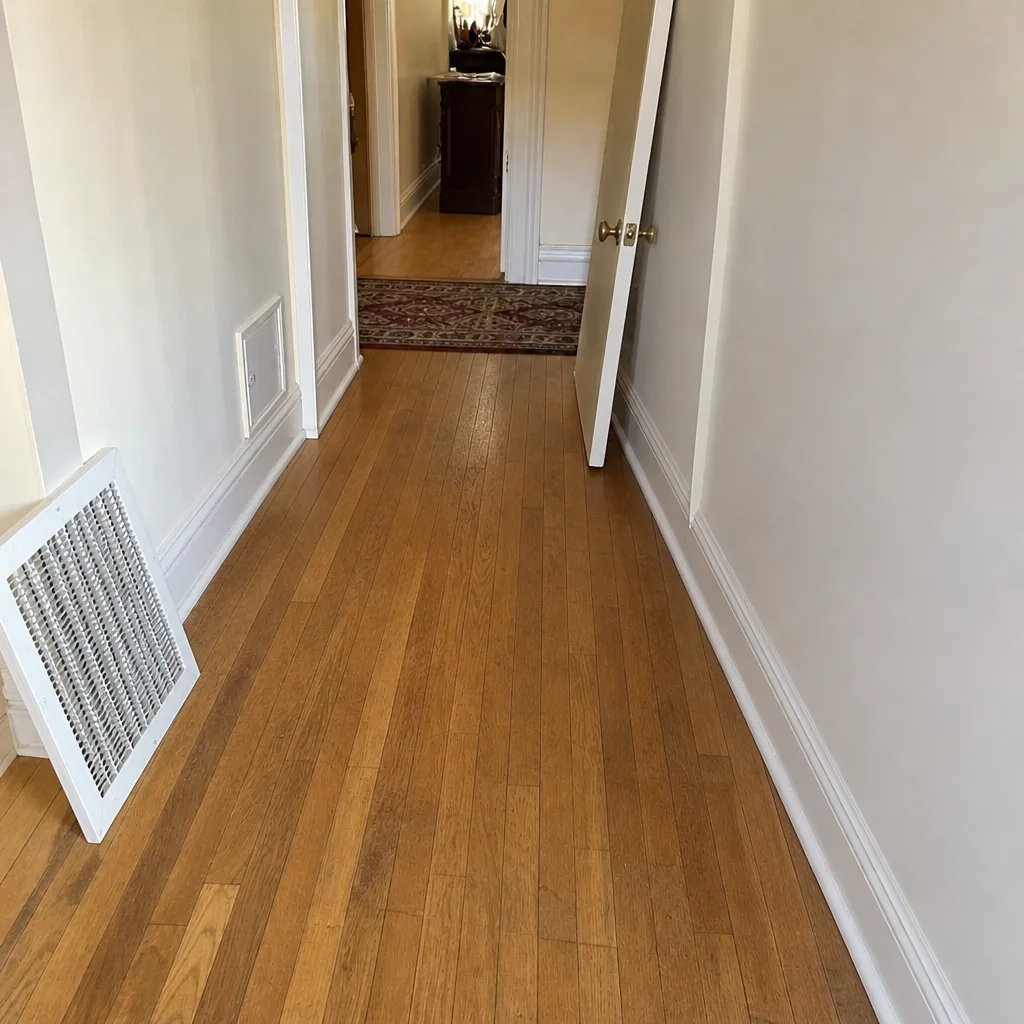 After
When to Call a Professional
Some duct conditions are maintenance, and some are damage. If you notice musty or stale odors when the system runs, persistent dust settling on surfaces soon after cleaning, visible dust streaks around registers, or a family member’s allergy symptoms that flare up when the heat or AC kicks on, those are signs that the system itself, not just the filter, needs attention. The same goes for any home that has just been through a renovation, water intrusion, or long-neglected HVAC service.
Air Duct Cleaning Crown Heights offers free estimates in Crown Heights, with a written scope before work starts and before-and-after photos of your own ducts as a deliverable. Our technicians have up to 8 years of experience, and we handle cleaning, repair and sealing, and sanitizing in one visit. Call (833) 754-9186 and we’ll walk through what your system needs. We answer 24/7. Fast dispatch from 7am to 7pm, Sunday through Friday.
Frequently Asked Questions
Check for a written scope of work before any deposit, a certificate of insurance, professional-grade equipment the contractor can name, and a post-job report with photos of your own ducts. Legitimate contractors expect these questions and answer them without pressure. If any of those four is missing, treat it as a warning sign rather than a style difference.
New York doesn’t issue a dedicated air duct cleaning license, so a professional can’t be identified by a state credential alone. Some contractors hold a general home improvement license confirming business registration and some insurance, and NADCA certification is a useful add-on, but the equipment, written scope, and proof of work are what actually tell you whether the job is real. Ask about those rather than a license number.
Cheap quotes are usually low anchor prices designed to get a technician in the door, with the real price negotiated after work has started. Sometimes they reflect a shop vac and a hose rather than a negative-pressure system, which produces a very different job. A quote that doesn’t cover professional equipment and labor can’t honestly promise the same result. Call (833) 754-9186 for a written per-system estimate.
A high-powered vacuum, either truck-mounted or high-powered portable, set up for negative pressure, plus mechanical agitation tools such as a rotary brush system, and HEPA-rated filtration on the vacuum. Crews equipped for heavier contamination also bring containment-level filtration equipment. If the crew arrives with a shop vac, the equipment is wrong for the job regardless of what the quote said.
Ask for before-and-after photos or video of your own ducts and a written report describing what was cleaned and any issues found. This documentation is the most reliable way to confirm the work was actually done. If a contractor can’t produce it, that tells you something important about how the job was run. Call (833) 754-9186 and we’ll explain what we provide on every job.
Sometimes yes. Cleaning a system with disconnected or damaged duct sections means the dust you just removed can re-enter through leaks almost immediately, and the system loses conditioned air before it reaches the room. Repair and sealing done in the same visit are often the difference between a cleaning that lasts and one that doesn’t. Ask about inspection and repair before you book.
Not at every company. Dryer vent cleaning is a separate but related service, and many duct-only companies skip it entirely despite it addressing a leading cause of residential fires. Ask whether the contractor can handle it, either on the same visit or as a separate service. It’s worth handling whether or not the ducts were the original reason for the call.
The Bottom Line
The difference between a good duct cleaning and a disappointing one comes down to what you verified before work started. Ask for the equipment, ask for the written scope, ask for proof of work, and ask about repair and sealing alongside the cleaning. In Crown Heights, the housing stock and dense multi-unit buildings make those questions more important, not less, because older systems hide more damage than newer ones do. A per-system written price and before-and-after photos of your own ducts are the two most reliable signs you hired a professional. Call (833) 754-9186 for a free estimate. We answer 24/7. Fast dispatch from 7am to 7pm, Sunday through Friday.
Written by the team at Air Duct Cleaning Crown Heights.