
Last updated November 22, 2026
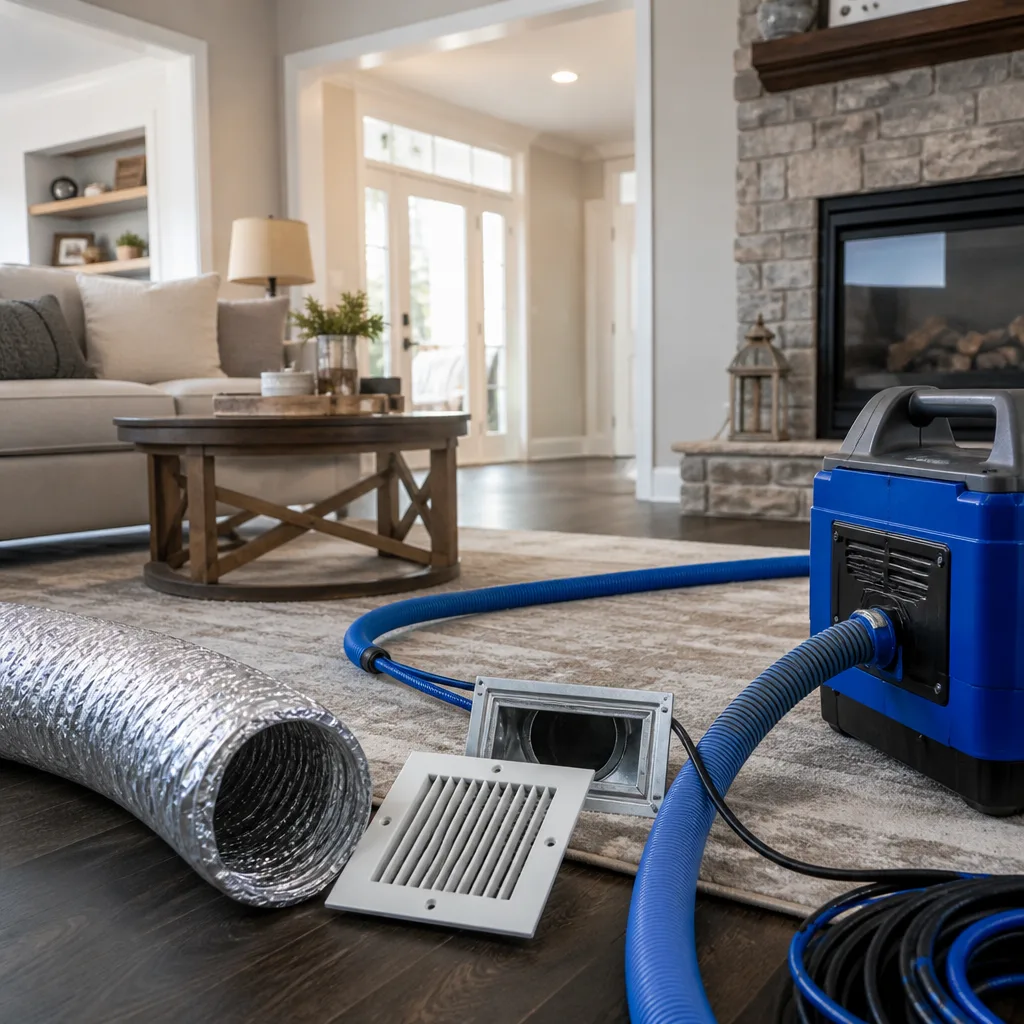 Whole-home duct cleaning
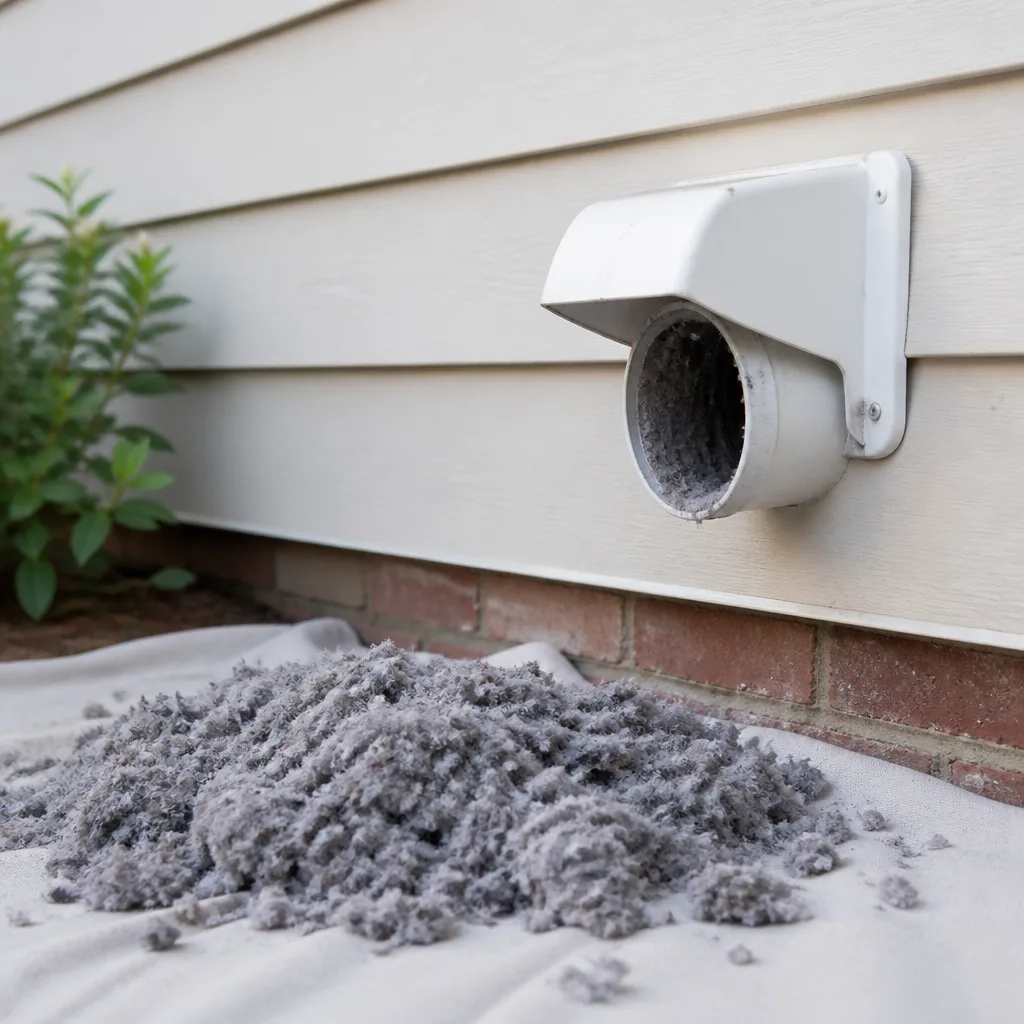 Dryer vent cleaning
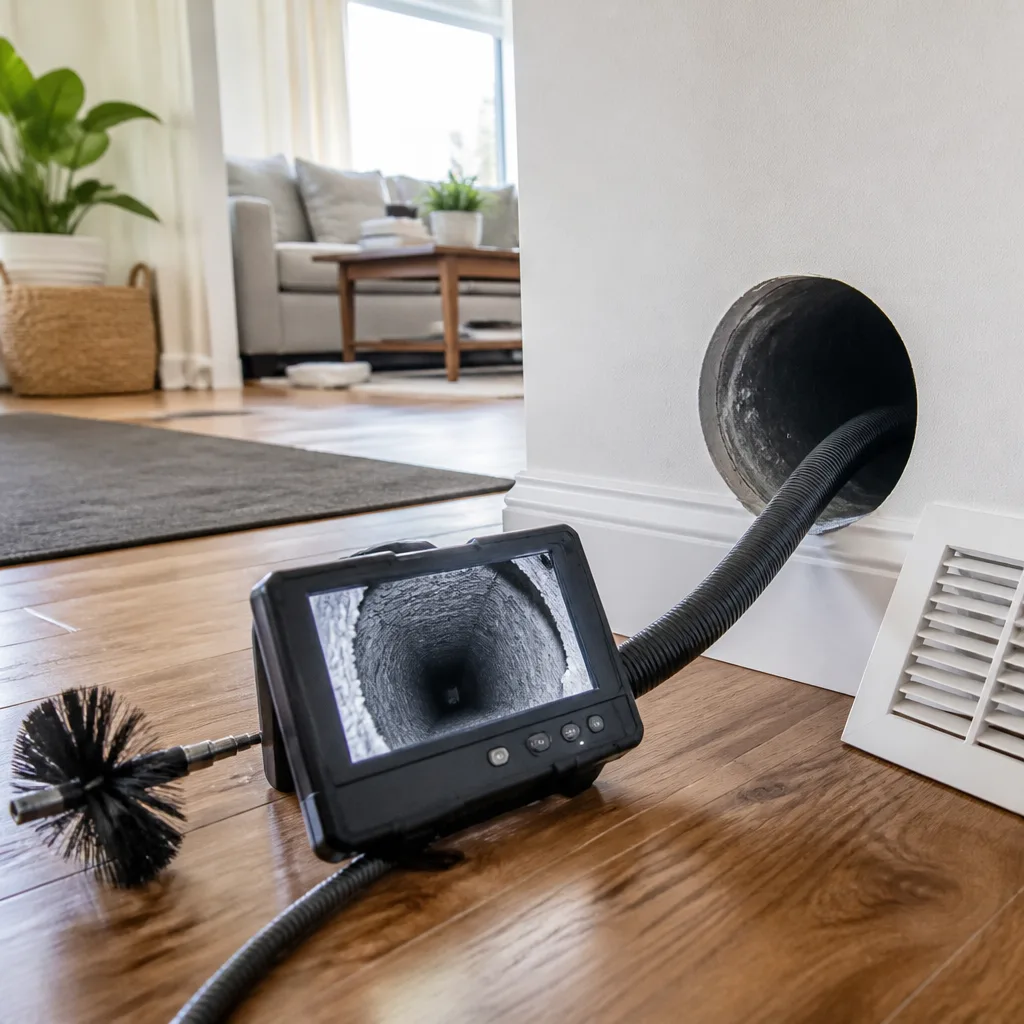 Camera inspection
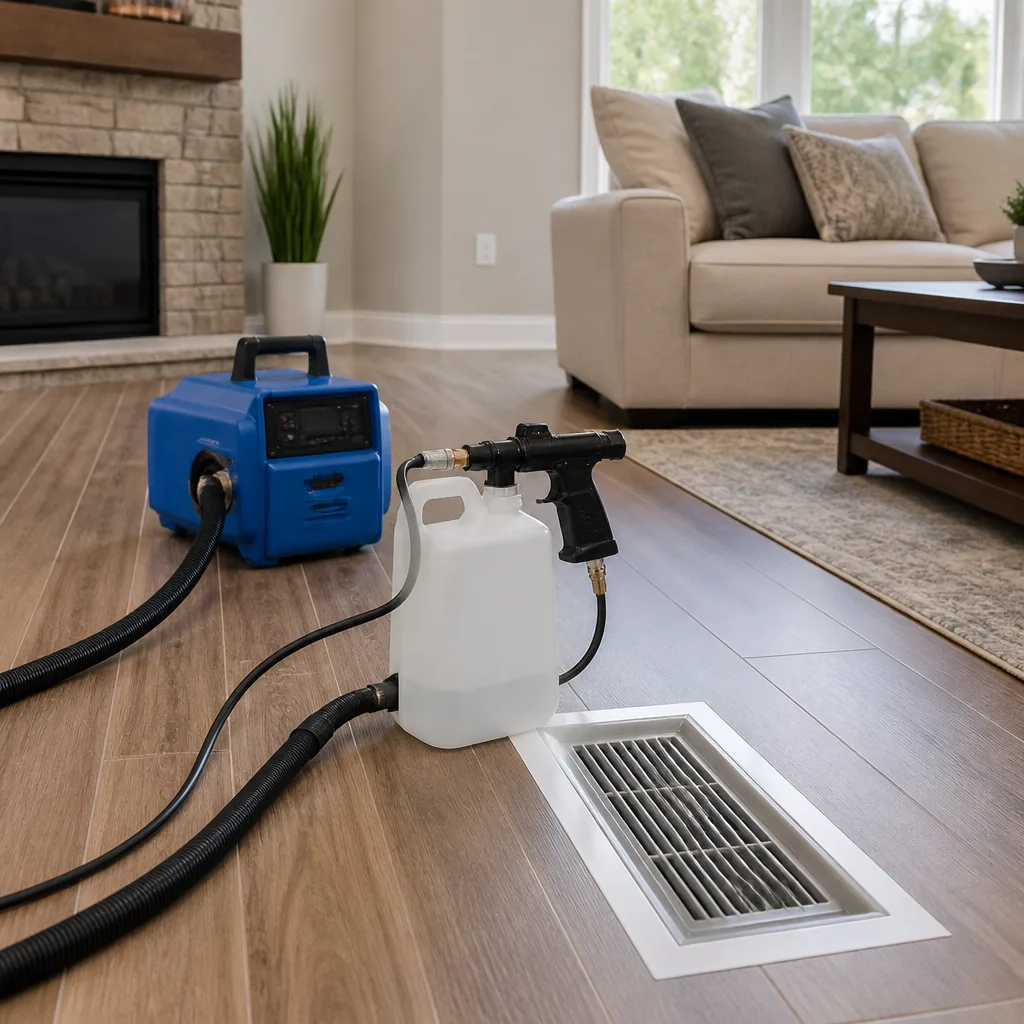 Sanitizing & deodorizing
Whole-system duct and dryer vent check with before-and-after photos - you see exactly what came out of your vents
That "$99 whole-house special" is a bait ad - the real number appears once they are in your hallway, or the "clean" is a shop-vac at the register. We photograph the inside of your ducts before and after instead.
Seasonal Air Duct Cleaning Care for Crown Heights: Year-Round Homeowner’s Guide
Most homeowners treat duct cleaning as an annual checkbox, scheduled whenever the calendar reminds them. That approach misses the real problem. In Crown Heights, your ductwork doesn’t face one contamination cycle per year – it faces four, each triggered by a different season and a different strain on the system. The worst time to discover your ducts are clogged with mold-laden debris is the first cold day in October when your furnace kicks on and circulates it through every room for the first time in months. This guide maps duct care to what actually happens inside Crown Heights homes across the year, so you can schedule service around real risks instead of arbitrary dates.
Styles & brands we work with
- Whole-home duct cleaning
- Dryer vent cleaning
- Camera inspection
- Sanitizing & deodorizing
Quick Answer
The right duct cleaning schedule in Crown Heights follows four seasonal checkpoints, not one annual appointment: a pre-heating inspection in fall, monitoring through winter, a post-heating cleaning in spring before AC season, and humidity control in summer. Most homes do best on a two-year professional service cycle built around these points, with a visual inspection and filter changes in between.
Table of Contents
- Why Crown Heights Has Four Distinct Duct Contamination Seasons
- Fall: Heating System Startup and the Highest-Risk Moment
- Winter: Monitoring System Strain Without Disrupting Heat
- Spring: Post-Heating Cleaning Before AC Season
- Summer: Coil Condensation and Humidity-Driven Mold
- Building a Two-Year Service Cycle Around Seasonal Checkpoints
- What a Pre-Season Inspection Should Include
- Common Mistakes to Avoid
- When to Call a Professional
- Frequently Asked Questions
Why Crown Heights Has Four Distinct Duct Contamination Seasons
It’s tempting to think of duct contamination as a slow, steady buildup. In practice, it comes in pulses tied to how your HVAC system runs through the year. A Crown Heights home using forced-air heating and central or window AC pushes hundreds of thousands of cubic feet of air through the same ductwork annually. What that air carries changes dramatically month to month.
Here’s what shifts:
- Heating season (October through April): the furnace, baseboard heat, or heat pump runs hard. Return-air velocity increases, pulling dust, lint, and debris from living spaces and depositing it in ducts and on the heat exchanger.
- AC season (June through September): the cooling coil stays wet from condensation, and ducts carry cool, humid air. That moisture is what mold needs to colonize dust that settled during heating season.
- Spring pollen loading: Crown Heights sits among mature street trees and nearby parkland. When windows open in May, pollen travels into return vents and lodges in ductwork just as the heating season ends.
- Fall and winter renovation dust: Crown Heights has a steady churn of brownstone and rowhouse renovations. Drywall dust, plaster dust, and demolition debris travel through shared walls and get pulled into return-air systems.
In our experience, the mistake isn’t cleaning once a year. It’s cleaning once and then assuming nothing changed. A Crown Heights home that had ducts cleaned in summer can still see heating-season debris accumulation by December.
Fall: Heating System Startup and the Highest-Risk Moment
The first cold day of October is the most consequential moment in your duct system’s year. For six or seven months, ducts have been carrying cool air at low velocity. Then the furnace fires up, the blower spins up to heating speed, and every bit of settled dust, lint, and debris in the ducts gets lifted into every room of your house at once. If there’s mold or biological growth on the coil or in the ducts, this is when you smell it.
That’s why a pre-season inspection in late September or early October makes more sense than a random appointment in the middle of summer. It catches problems before they get distributed throughout the house.
A pre-heating inspection should cover:
- Visual interior inspection of return and supply ducts – look for visible dust accumulation, debris, and any sign of moisture or biological growth.
- Blower compartment and furnace check – confirm the blower wheel isn’t crusted with dust and the cabinet is clean before it runs for months.
- Filter condition and fit – a filter that doesn’t seat properly lets unfiltered air bypass into the system. Check that you’re using the right MERV rating for your equipment.
- Coil inspection if accessible – a dirty cooling coil in fall becomes a mold host by summer.
- Duct sealing check – leaks in duct joints pull air from basements, wall cavities, or garages instead of living space. Sealing them keeps heated air where it belongs.
- Dryer vent inspection – fall is a good time to confirm your dryer vent isn’t blocked with lint, since dryer use climbs with cold weather.
If the inspection reveals significant debris, air duct cleaning before startup is the right order of operations. Cleaning after startup means you’re cleaning ducts that have already started distributing debris through the house.
Winter: Monitoring System Strain Without Disrupting Heat
Nobody wants to schedule invasive work during peak heating season, and we don’t recommend it. Winter is a monitoring season, not a cleaning season. The goal is to spot signs of system strain or contamination without shutting down heat in a Crown Heights home that needs it running.
Here’s what to watch:
- Rising energy bills without rising demand. If your January bill is higher than the prior January for the same square footage, and your usage hasn’t changed, it’s often a sign of restricted airflow. Dust-clogged ducts and a dirty blower wheel make the furnace work harder to move the same air.
- Uneven heating between rooms. A back bedroom that never gets warm while the front rooms are stifling often points to duct leaks or blockages rather than a furnace problem.
- Dust reappearing on surfaces days after cleaning. Dust that settles back onto furniture within days of dusting usually means it’s coming from the supply registers, not from outside.
- Persistent musty or smoky odor when the heat runs. Odor on startup or ongoing during the heating season is a sign of contamination in the system that warrants a professional look.
- More frequent filter changes needed. If you’re changing filters twice as often as usual, the system is pulling more dust than it should be.
Winter monitoring is also the right time to note which rooms get cold, when the furnace cycles on and off frequently, and where odors appear. That information helps a technician target the right ducts when you do call for service in spring.
If a duct issue becomes a real problem in winter, we do schedule work during the dispatch window and can often contain the work so heat isn’t lost for long. When we need to work with negative-air containment to keep dust out of the living space during a partial winter cleaning, equipment from Abatement Technologies is what makes that possible. But in most cases we prefer to wait for spring.
Spring: Post-Heating Cleaning Before AC Season
If you clean ducts once a year, mid-May or early June is the best window for a Crown Heights home. Here’s why: heating season has just ended, and AC season is about to start. Cleaning now does two things you don’t get from a fall cleaning.
- It removes heating-season debris before the cooling coil gets wet. During heating months, debris settles into ducts, onto the coil, and in the blower compartment. If you leave it and then start running AC in June, that debris becomes wet from condensation. Wet dust on a coil is exactly the environment where mold and bacteria thrive.
- It gives the cooling coil a clean slate for summer. A clean coil cools more efficiently. It also drains condensate more reliably. A dirty coil with a soiled drain pan is the most common source of AC-related musty odor in summer.
Spring cleaning should also include a dryer vent inspection. If you skipped the fall inspection, or if your dryer has been taking longer to dry clothes, spring is the time. The dryer vent cleaning side of the work is often skipped by companies that only handle ducts, and it’s a leading cause of residential fires.
So what should a spring cleaning actually cover?
- Return and supply duct interior cleaning using rotary brush and HEPA vacuum equipment
- Blower wheel and blower compartment cleaning
- Cooling coil and drain pan cleaning if accessible
- Duct repair and sealing on any joints or sections found leaking or detached
- Sanitizing treatment if biological growth or odor is present
- Filter replacement with the correct MERV rated filter for the system
Because we handle duct repair and sealing alongside cleaning, spring is the right moment to fix a leaky duct we found rather than scheduling a separate visit later. We use Rotobrush rotary brush systems and Nikro HEPA-rated vacuum equipment so what gets dislodged is captured, not redistributed into living space.
Summer: Coil Condensation and Humidity-Driven Mold
Cooling systems work by making a coil cold. That’s great for comfort, but it makes the coil wet every time it runs. And a wet coil seated in a Crown Heights duct system that carries 80% to 90% humidity in July is a mold reactor.
What goes wrong in summer:
- Coil condensation. Moisture that drips off the coil drops into the drain pan. If the pan is dirty or the drain is partially blocked, water stands. Standing water plus heat is the exact recipe for mold and algae growth.
- Drain pan contamination. Dust that settled on the drain pan during heating season becomes a wet biofilm in summer. That biofilm blows into the supply ducts and into the rooms above.
- Humidity in ducts. Cool air moving through ducts can cause condensation on the outside of duct surfaces in Crown Heights basement and utility-space runs. Insulation failure on ducts makes this worse.
- Return-air dust re-entrainment. Summer AC keeps windows closed, so all the dust that would normally vent outside is captured by the return-air system and deposited in the ducts. Closed windows actually increase the concentration of contaminants in the air, because there’s no exchange.
You can’t fully prevent condensation in a cooling system, but you can prevent the mold that follows it. That means keeping the coil and drain pan clean and keeping ductwork dry.
For Crown Heights homes with a visible moisture or mold problem in the ducts, our team uses Abatement Technologies air filtration equipment to run containment-level cleaning. That keeps the contaminants being removed (mold spores, dust, debris) from spreading into other rooms during the work. We also install Guardsman and Aprilaire filtration systems and Honeywell air quality components so that cleaning isn’t the end of the story. A clean system with the right filtration handles summer humidity far better than a clean system with a cheap filter.
Summer is also the best season to consider HVAC cleaning if you didn’t get to it in spring – especially if you have pets. Pet dander accumulates in return-air ducts, and once it’s wet from coil condensation it becomes a food source for mold.
Building a Two-Year Service Cycle Around Seasonal Checkpoints
Annual scheduling is arbitrary. A Crown Heights home with two cats, a recent renovation, and forced-air heating needs a different cycle than a single-occupant apartment with window units. The right framework is two years, with interim checkpoints that you handle yourself.
Here’s how a two-year cycle looks in practice:
- Fall Year 1: pre-heating inspection. Visual check, filter replacement, and any quick repairs. If significant debris is found, schedule cleaning before startup.
- Winter Year 1: monitoring. Track energy bills, filter change frequency, uneven heating, and odors. Note anything that changes.
- Spring Year 1: full professional cleaning. Duct cleaning, coil and drain pan cleaning, blower cleaning, dryer vent cleaning, duct sealing as needed, filter replacement.
- Summer Year 1: humidity management. Check drain pan and condensate line monthly. Watch for musty odor on AC startup. Consider upgrading filtration if you have pets or allergy concerns.
- Fall Year 2: pre-heating inspection. Repeat the fall check. If spring cleaning was thorough and filters were changed on schedule, you’ll usually find very little.
- Winter Year 2: monitoring. Repeat. If you didn’t find issues last winter, you likely won’t this winter.
- Spring Year 2: second professional cleaning. The two-year mark is when ducts that were cleaned in Year 1 have accumulated enough new debris to warrant a second visit, especially in Crown Heights homes with renovation dust or pets.
- Summer Year 2: humidity management. Repeat.
Homes with significant dust sources (renovation, pets, multiple occupants, recent mold issue) should run the cleaning cycle annually rather than every two years. Homes with clean history and good filtration can sometimes stretch to three years, but we usually recommend sticking with two.
What a Pre-Season Inspection Should Include
Most duct cleaning companies offer cleaning, not inspection. Those are different services. A proper pre-season inspection is diagnostic – it tells you whether cleaning is even needed and what specifically needs cleaning.
A thorough pre-season inspection covers:
- Interior duct inspection with a camera – footage of the return and supply ducts lets you see what’s actually accumulating. Without it, “cleaning” is guesswork.
- Blower and furnace cabinet check – a clean blower wheel moves air efficiently. Dust-caked blades do not.
- Coil condition – if inspectable, the coil and drain pan are where mold starts.
- Filter condition, fit, and rating – filters that don’t seat properly or that are over-restrictive both cause problems.
- Duct leak check – joints, elbows, and connections between the trunk and branches are where most leakage happens.
- Dryer vent check – easy to forget, worth doing every inspection.
- Moisture inspection – any visible moisture in ducts, drips from insulation, or standing water in the drain pan means mold risk.
If you have photos or video from a previous inspection, bring them out. Comparing current condition to prior condition is what tells you whether cleaning is needed now or can wait a season. When you schedule with us, before-and-after photos of your own ducts are part of the deliverable, so you have a record to compare against next time.
Common Mistakes to Avoid
- Waiting until the ducts are visibly clogged to call. By the time dust is visibly blowing out of supply registers, contamination has been circulating for months. It’s cheaper to inspect annually and clean on a cycle than to wait for a visible problem.
- Cleaning only after AC season. If you clean in June or July, you’re removing debris that has already been through months of heating and spring pollen. Cleaning in May or early June catches the debris before it gets wet.
- Scheduling based on a coupon price, not on equipment. A shop-vac and a promise doesn’t clean ductwork, and it can make things worse by redistributing debris. Ask what equipment will be used and whether the company performs negative-air containment for heavily contaminated systems.
- Ignoring the dryer vent. Many duct cleaning companies don’t touch dryer vents. In Crown Heights homes where the dryer vent runs through a shared wall or the basement, lint accumulation is a real risk that a duct-only company will miss.
- Skipping duct repair and sealing. Cleaning ducts in a home with leaking duct joints is cleaning a system that will re-dirty fast. Sealing the leaks at the same visit as cleaning saves a second appointment and fixes the root cause.
- Using a filter rated too high for the system. HEPA-grade filters in a residential blower can restrict airflow and create more problems than they solve. Match the filter MERV rating to the equipment’s design. If you want sustained air quality improvement, a whole-home filtration system is a better bet than an overly restrictive furnace filter.
- Overlooking humidity in summer. Running the AC nonstop and ignoring the drain pan is how a Crown Heights home develops a mold problem. Check the pan monthly in summer. If you see standing water, call.
When to Call a Professional
You don’t need a professional every time dust settles on a shelf. You do need one when the system is telling you something.
Call us when:
- There’s a musty, smoky, or stale smell when the heat or AC starts (not just on startup, but every time it runs)
- Dust on surfaces returns within a day or two of cleaning
- Someone in the home has ongoing respiratory or allergy symptoms that don’t improve after filter changes
- You’ve had a renovation, water damage, or mold event in the home
- You’re seeing visible debris or dust puffing from supply registers
- You can’t remember when the ducts were last cleaned
- The dryer is taking longer to dry clothes or the vent is visibly linted at the exterior
- Heating or cooling bills rise without explanation
Air Duct Cleaning Crown Heights offers free estimates in Crown Heights – call (833) 754-9186. We answer 24/7. Fast dispatch from 7am to 7pm, Sunday through Friday. Our technicians have up to 8 years of experience, and the written estimate sets the final price. One flat price per system, agreed before work starts. Before-and-after photos of your own ducts are part of the service.
Frequently Asked Questions
Most Crown Heights homes do best on a two-year cycle, with a fall inspection and spring cleaning. Homes with pets, recent renovations, or a mold history should clean annually. Homes with clean history and good filtration can stretch to three years, but we typically recommend two.
Yes, for most homes. Spring cleaning removes heating-season debris before it gets wet from AC condensation. If you must choose one appointment per year, mid-May or early June is the best window. If you have a significant dust or moisture problem, both fall and spring are worth doing in the first year.
Treatment of duct cleaning as an annual checkbox. The right approach is mapped to the actual contamination cycles – fall pre-heating inspection, spring post-heating cleaning, and summer humidity management. That’s not arbitrary scheduling, and it catches problems at the right moment.
Air duct cleaning in Crown Heights is priced per system, not per vent, and the written estimate sets the final price. We give you one flat price per system agreed before any work starts, so there are no surprise additions. Call (833) 754-9186 for a free estimate – estimates are free and there’s no obligation.
Cheap quotes usually come from companies using consumer-grade equipment or skipping parts of the system – often the coil, blower, or dryer vent. A rotary brush and HEPA vacuum system (Rotobrush and Nikro equipment) is what actually dislodges and captures debris. When a quote is a fraction of the others, ask what equipment will be used and what parts of the system will be cleaned. Call (833) 754-9186 to compare a real estimate in Crown Heights.
Ask for before-and-after photos of your own ducts. That’s not a replacement for professional inspection – but it’s a verifiable record of what was removed. We provide before-and-after photos as a standard part of the service, along with a look at the blower, coil, and drain pan if accessible. If a company won’t show you what was removed, that’s a reason to ask why. Call (833) 754-9186 for a free estimate.
The Bottom Line
Seasonal air duct care in Crown Heights isn’t about cleaning once a year. It’s about catching the right contamination cycle at the right moment: a fall inspection before heating starts, monitoring through winter, a spring cleaning before AC season begins, and humidity management in summer. Map your service to those checkpoints, and you’ll spend less, breathe easier, and stop reacting to problems after they’ve already circulated through the house. Professional-grade equipment (Rotobrush, Nikro, Abatement Technologies, Guardsman, Aprilaire, Honeywell) is what makes the difference between surface cleaning and system restoration. Call (833) 754-9186 for a free estimate. We answer 24/7. Fast dispatch from 7am to 7pm, Sunday through Friday.
Written by the team at Air Duct Cleaning Crown Heights.
See the difference
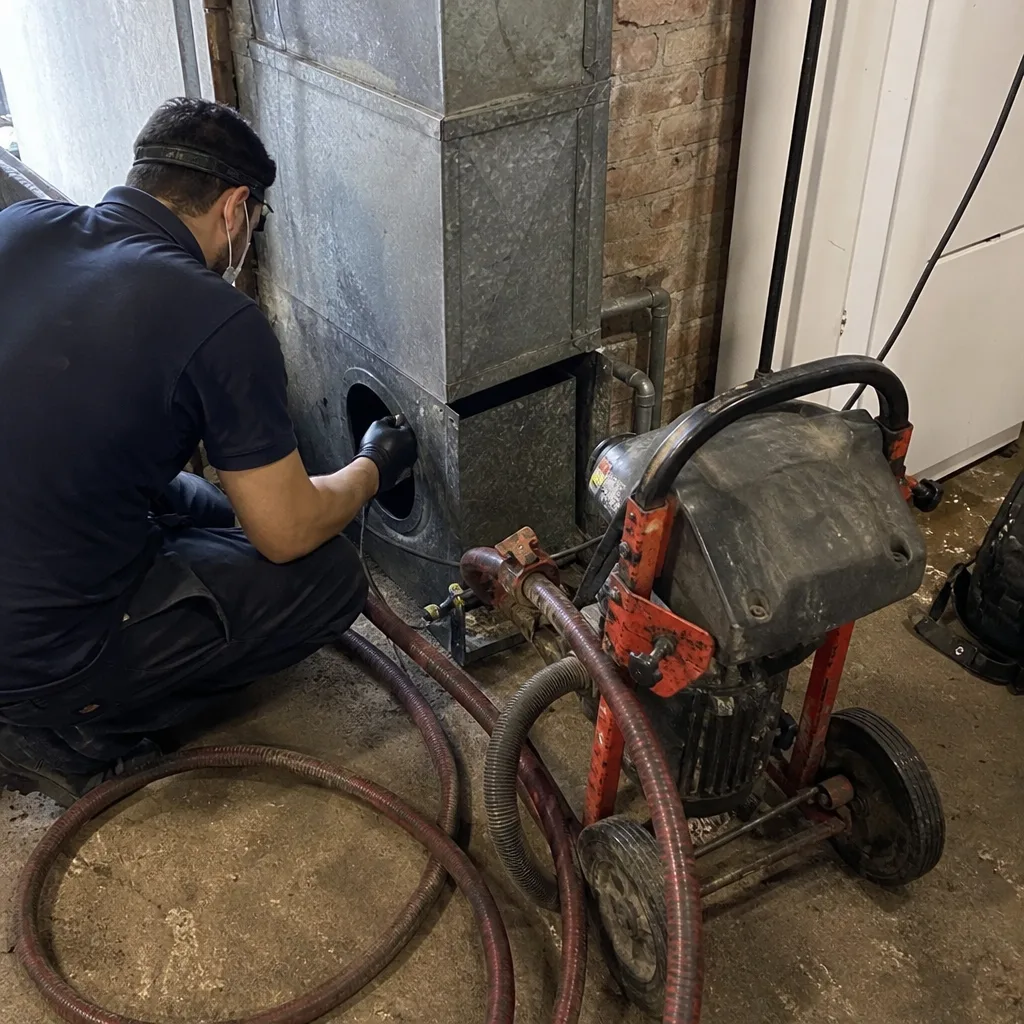 Before
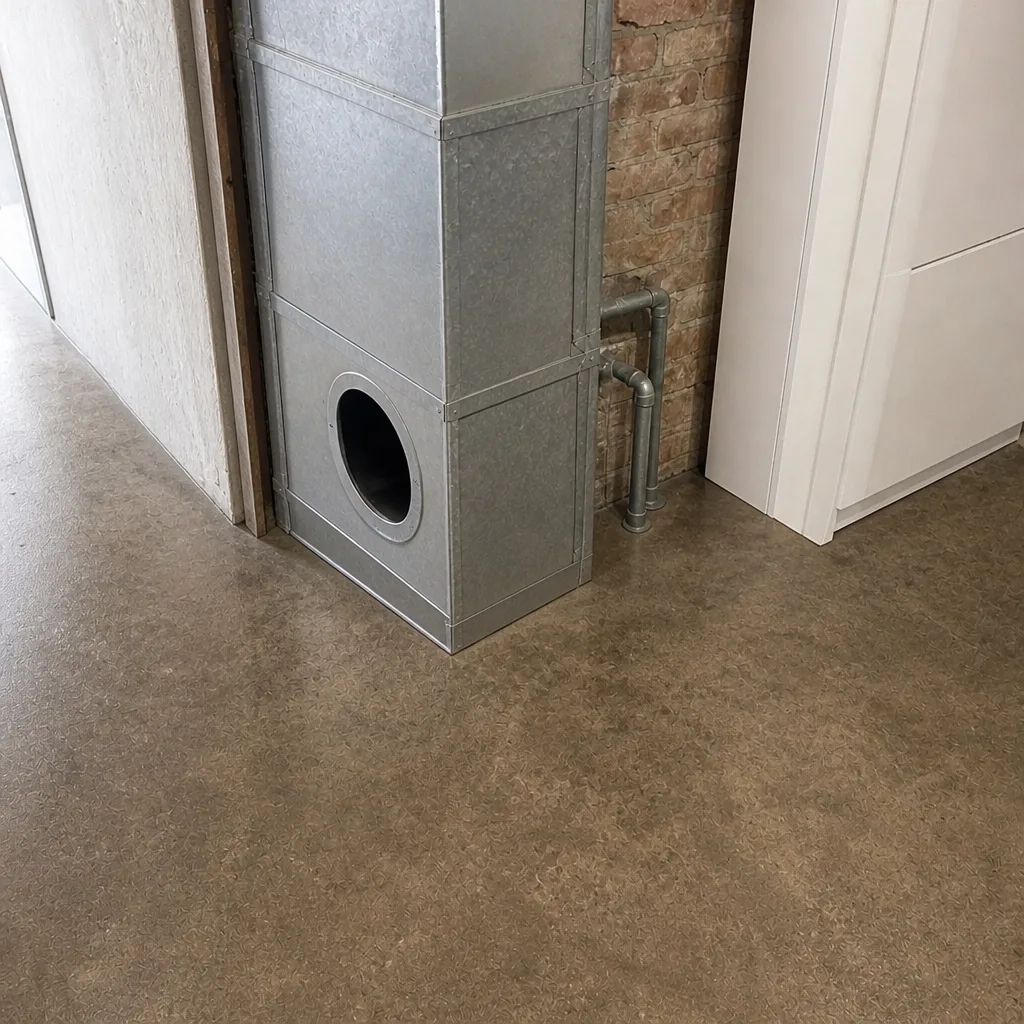 After
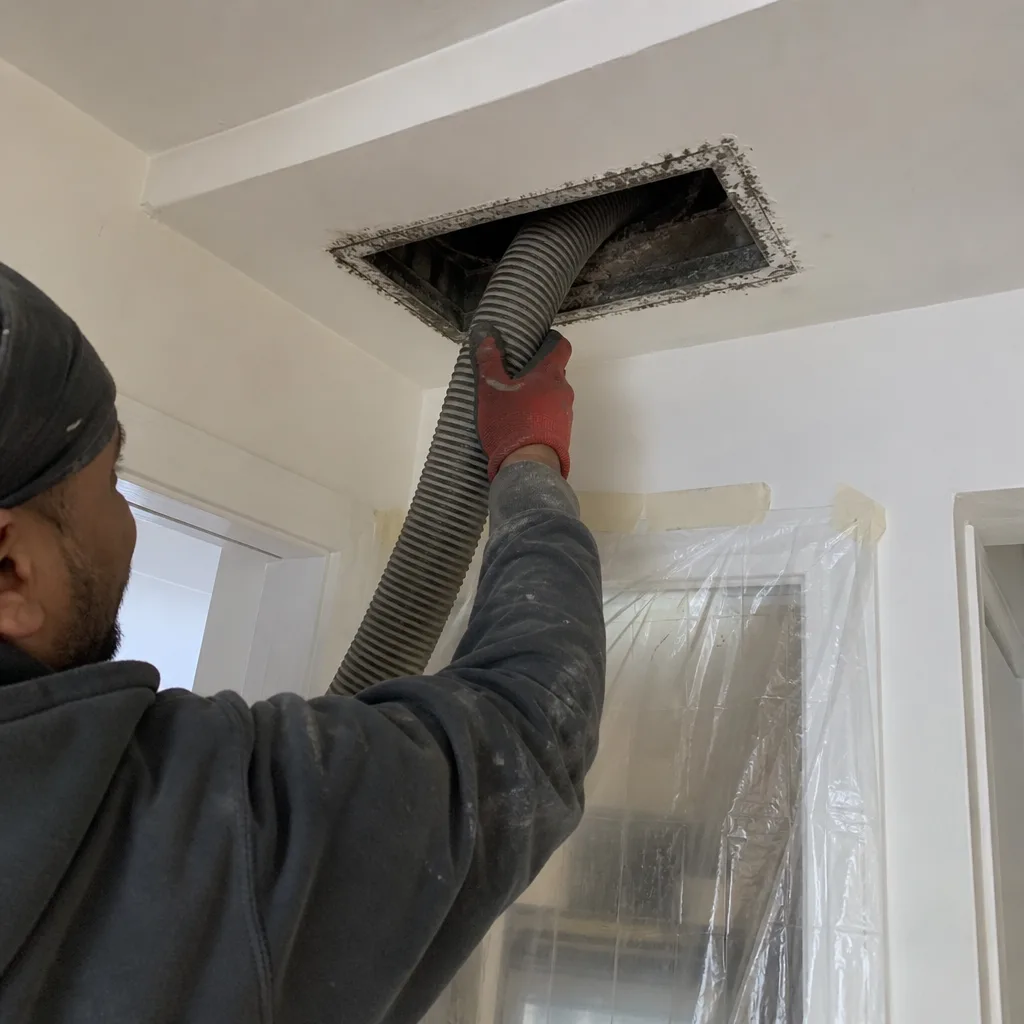 Before
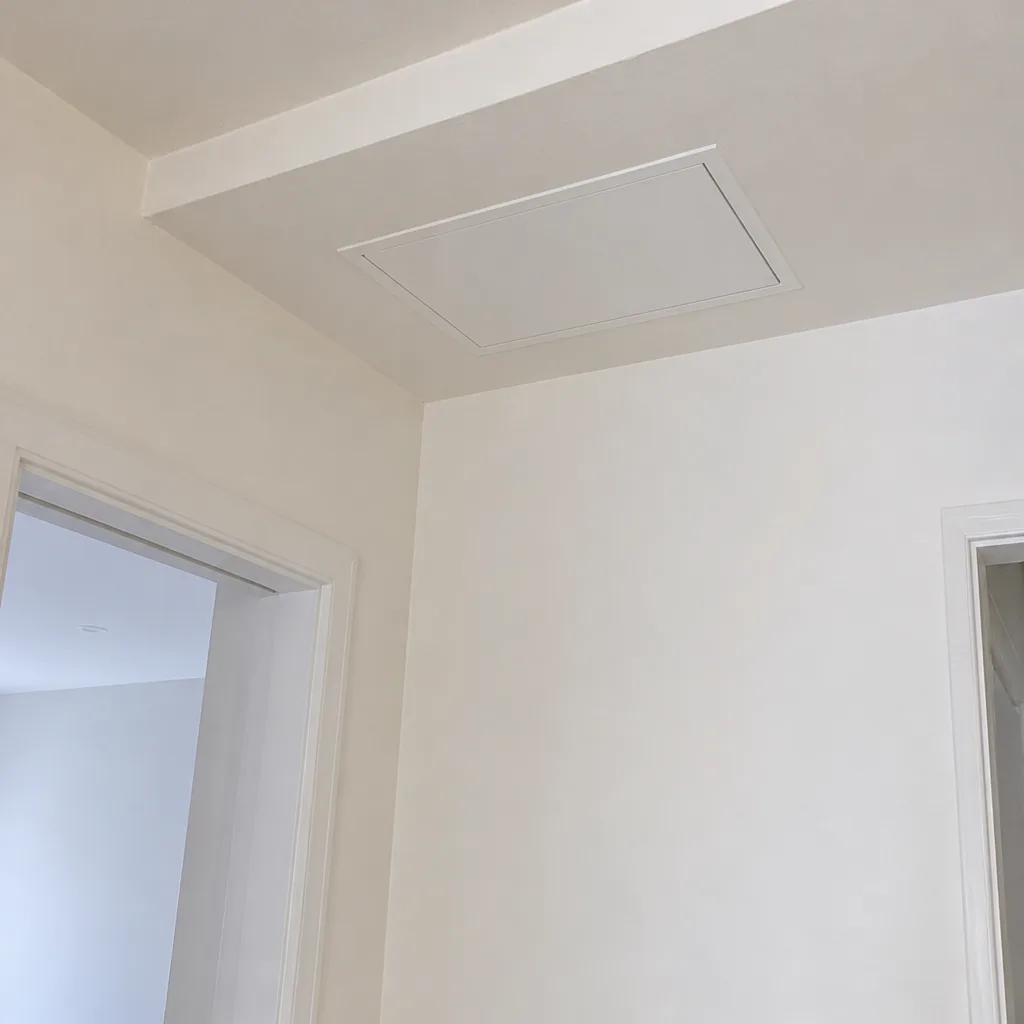 After
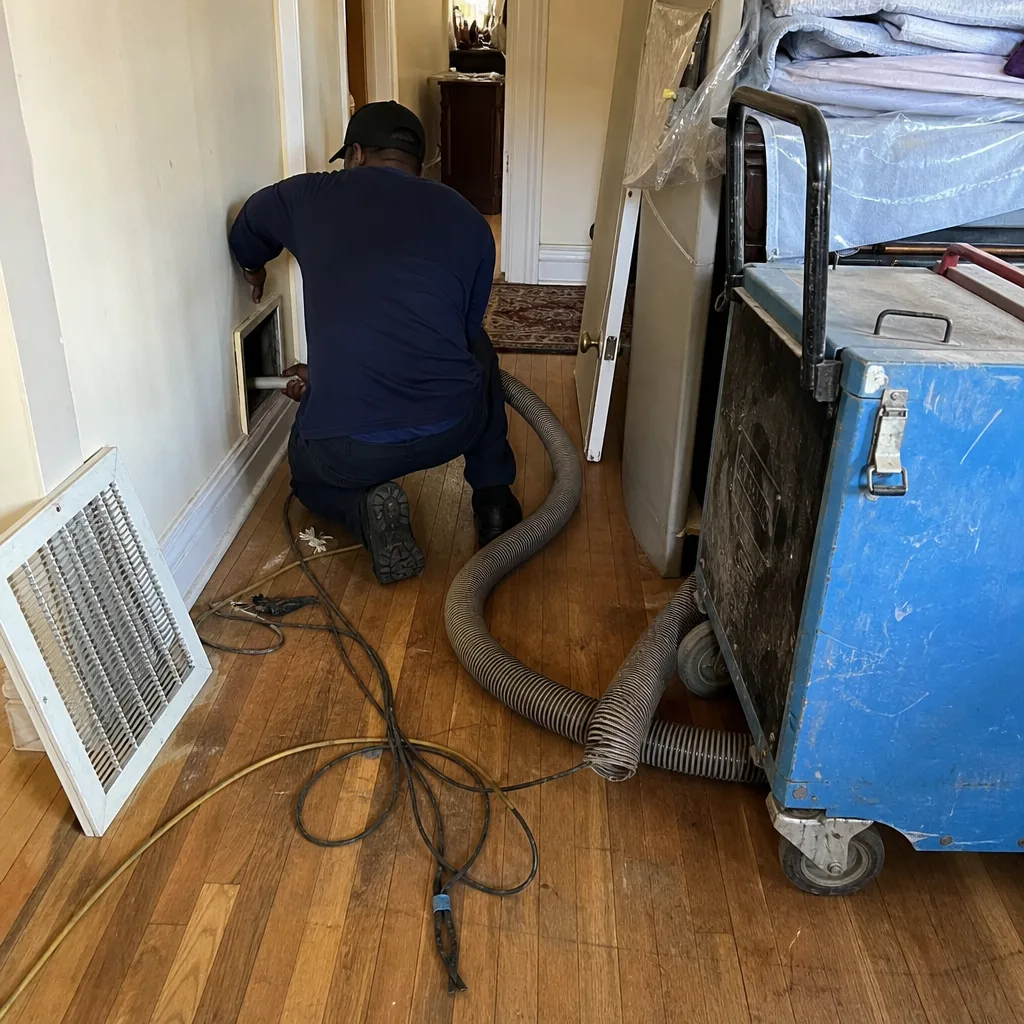 Before
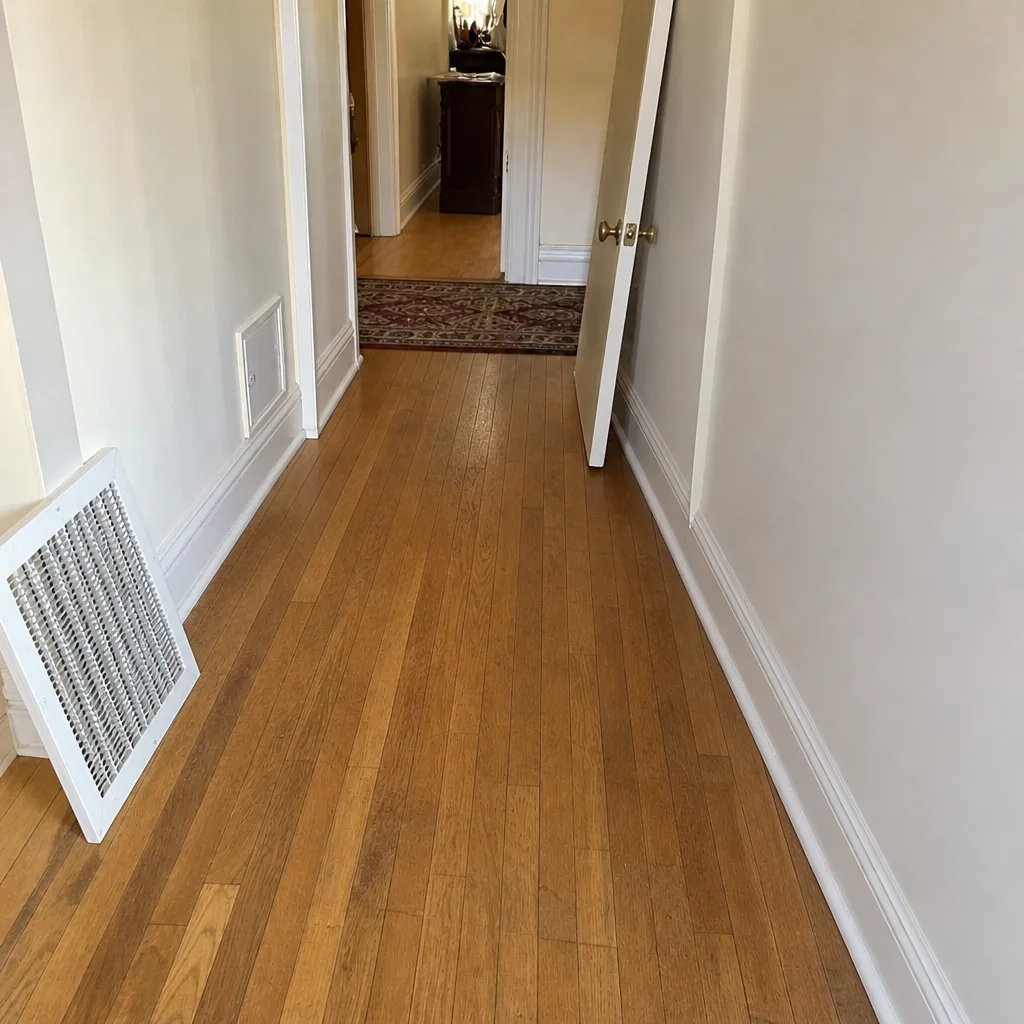 After